
Articles

January 12, 2026

Guaranteed Donor IVF

Guaranteed Donor IVF In the realm of assisted reproductive technologies, where the pursuit of parenthood often encounters challenges, Guaranteed Donor IVF emerges as a groundbreaking solution offered by Select IVF. This transformative program combines cutting-edge medical advancements with the assurance of success, providing a beacon of hope for individuals and couples seeking to build their families.   At Select IVF, where the complexities of infertility are met with compassion, expertise, and an unwavering commitment to personalized care, the journey begins with a profound understanding. Reliable Guaranteed Donor IVF transcends conventional fertility treatments, offering an exhaustive methodology that tends to the clinical complexities as well as considers the close-to-home prosperity of planned guardians.   At the heart of this program lies the meticulous selection of a suitable egg donor, guided by transparent criteria encompassing medical history, genetic compatibility, and the unique preferences of the intended parents. What distinguishes Guaranteed Donor IVF is the assurance of success; Select IVF commits to a positive outcome, offering multiple cycles at no additional cost if the initial attempt proves unsuccessful. Understanding Guaranteed Donor IVF Embarking on the journey of parenthood can be a profound and sometimes challenging experience. For those facing fertility obstacles, the concept of Guaranteed Donor IVF offers a ray of hope and assurance. This transformative approach, championed by Select IVF, goes beyond conventional fertility treatments.   In this guide, we delve into the intricate landscape of Guaranteed Donor IVF, an innovative program designed to provide not only cutting-edge medical solutions but also the promise of success.   Select IVF’s commitment to combining advanced reproductive technologies with a compassionate understanding of the emotional aspects associated with infertility sets the stage for a comprehensive exploration of this groundbreaking fertility solution. As we navigate the complexities of Guaranteed Donor IVF, a pathway emerges—one that offers hope, assurance, and the realization of dreams for aspiring parents. Select IVF: Pioneers in Guaranteed Donor IVF Select IVF stands as a pioneering force in the realm of assisted reproductive technologies, offering a revolutionary solution in the form of Guaranteed Donor IVF. With a tradition of skill and a promise to humane consideration, Select IVF has arisen as a pioneer in the field, reshaping the scene of ripeness medicines.   The Guaranteed Donor IVF program embodies innovation and assurance, providing a unique pathway for individuals and couples on their journey to parenthood. This introduction makes way for investigating the particular highlights and unmatched advantages that characterize Select IVF’s situation as a forerunner in the realm of fruitfulness therapies, where fantasies about making a family are imagined as well as acknowledged with steady commitment and state-of-the-art medical advancements. The Components of Guaranteed Donor IVF Thorough Consultation and Evaluation: The journey begins with an in-depth consultation where the medical team at Select IVF assesses the unique needs and expectations of the intended parents. This comprehensive evaluation forms the basis for tailoring a personalized Guaranteed Donor IVF plan.   Selection of a Suitable Egg Donor: A crucial element of the program involves the meticulous selection of a suitable egg donor. The criteria include factors such as medical history, genetic background, and compatibility with the intended parents. Select IVF ensures a transparent and collaborative process in choosing the ideal donor.   Assurance of Success: What sets Guaranteed Donor IVF apart is the assurance of success. Select IVF commits to a positive outcome, providing a safety net for intended parents. If the initial cycle is not successful, the program includes subsequent cycles at no additional cost, offering unparalleled peace of mind.   State-of-the-Art Medical Procedures: The operations inside Guaranteed Donor IVF include progressed conceptive advances, remembering for vitro treatment (IVF). Select IVF’s cutting-edge offices guarantee ideal circumstances for treatment and incipient organism improvement.   Personalized Treatment Plan: Each Guaranteed Donor IVF journey is unique, and Select IVF tailors a personalized treatment plan for every intended parent.This plan encompasses clinical, close-to-home, and strategic viewpoints, guaranteeing an all-encompassing way to deal with fertility treatment.   Counseling and Emotional Support: Recognizing the profound complexities of infertility, Select IVF integrates guiding and basic reassurance administrations into the Dependable Benefactor IVF program. This aspect means to give a sustaining climate to expected guardians all through the excursion. Benefits of Guaranteed Donor IVF 1. Assurance of Success: The primary benefit of Guaranteed Donor IVF is the assurance of success. Select IVF’s commitment to achieving a positive outcome provides a sense of security and confidence for intended parents.   2. Transparent Cost Structure: Select IVF’s Guaranteed Donor IVF program comes with a transparent cost structure. The all-inclusive package covers multiple cycles, eliminating financial uncertainties and offering a clear understanding of the investment involved.   3. Meticulous Egg Donor Selection: The program ensures the meticulous selection of an egg donor, considering various factors to enhance the chances of a successful pregnancy. Intended parents are actively involved in the selection process.   4. Personalized Care and Support: Select IVF’s emphasis on personalized care extends beyond medical procedures. The inclusion of counseling and emotional support demonstrates a commitment to the overall well-being of intended parents. Considerations and Decision-Making Embarking on the journey of Guaranteed Donor IVF is a transformative decision, and intended parents are urged to consider a myriad of factors. A thorough evaluation of medical history, emotional preparedness, and financial considerations is essential to ensure a well-informed and tailored approach to fertility treatment. The complexities of assisted reproductive technologies necessitate open communication with the dedicated medical team at Select IVF.   This collaborative dialogue allows for a personalized assessment of individual circumstances, addressing concerns and aligning treatment plans with the unique needs of each intended parent. In navigating the path to parenthood through Guaranteed Donor IVF, the emphasis on informed decision-making and transparent communication underscores Select IVF’s commitment to supporting and guiding individuals and couples on their profound journey towards achieving the dream of building a family. Conclusion In conclusion, Guaranteed Donor IVF with Select IVF stands as a beacon of hope, embodying a unique blend of cutting-edge medical advancements and compassionate care. The program not only assures success but also ensures a transparent and personalized journey for intended…

View details
IMSI Treatment

IMSI Treatment Welcome to Select IVF, where cutting-edge fertility treatments meet personalized care, and where we proudly offer the revolutionary IMSI treatment. Intracytoplasmic Morphologically Selected Sperm Injection (IMSI) is a breakthrough in assisted reproductive technology, enhancing the chances of successful fertilization.   Our dedicated team of fertility specialists employs high-magnification microscopy to scrutinize and select the healthiest sperm with meticulous precision, optimizing the chances of a successful pregnancy.   IMSI Treatment at Select IVF reflects our commitment to providing advanced reproductive solutions tailored to individual needs. As pioneers in fertility care, we prioritize both the scientific and emotional aspects of your journey, ensuring the highest standard of care for those seeking the best possible path to parenthood. Understanding IMSI Technology IMSI (Intracytoplasmic Morphologically Selected Sperm Injection) technology involves selecting the best-quality sperm based on morphology before injecting it directly into the egg, enhancing the chances of successful fertilization. In-Depth Explanation of IMSI     Intracytoplasmic Morphologically Selected Sperm Injection (IMSI) is an advanced assisted reproductive technology used in fertility treatments. This technique involves the selection and injection of high-quality sperm directly into the egg for fertilization. Unlike traditional methods, IMSI utilizes a powerful microscope that magnifies the sperm cells, allowing clinicians to assess and choose the healthiest and most morphologically normal sperm. This detailed selection process aims to enhance the chances of successful fertilization and improve embryo quality, addressing specific issues related to male infertility. Differentiating IMSI from Conventional IVF Techniques IMSI stands out from conventional In Vitro Fertilization (IVF) techniques through its meticulous approach to sperm selection. While traditional IVF involves selecting sperm based on basic criteria, IMSI takes it a step further by employing high-magnification microscopy. This allows specialists to examine sperm morphology in more detail, ensuring that the most viable sperm is injected into the egg. By differentiating IMSI from conventional IVF, we highlight the precision and specificity of this technology, emphasizing its potential to address challenges related to male factor infertility more effectively.   Technological Advancements and Innovations IMSI technology has undergone significant advancements and continues to evolve. Ongoing innovations in microscopy, image processing, and lab equipment contribute to the refinement of IMSI procedures. This section delves into the most recent technical advancements that improve sperm selection accuracy, procedural efficiency, and, ultimately, IMSI success rates. By delving into these innovations, we aim to provide readers with insights into the cutting-edge tools and techniques that contribute to the continuous improvement of IMSI as a fertility treatment option. The Procedure of IMSI Treatment IMSI, or intracytoplasmic morphologically selected sperm injection, is a specialized form of IVF where sperm with optimal morphology are individually chosen and injected into the egg for fertilization.   Step-by-Step Guide to IMSI   The IMSI procedure follows a systematic and precise series of steps to optimize the chances of successful fertilization. This section will provide a comprehensive walkthrough of the IMSI process, from the initial preparation of the sperm sample to the delicate injection of a selected sperm into the egg. We’ll explore each stage in detail, outlining the critical procedures and decisions made by fertility specialists. By understanding the step-by-step guide to IMSI, readers can gain insight into the intricacies of this assisted reproductive technique and appreciate the level of care and precision involved.   Laboratory Protocols and Equipment Used   The success of IMSI heavily relies on the laboratory protocols and state-of-the-art equipment employed during the procedure. This subsection will delve into the specific laboratory conditions necessary for a successful IMSI cycle. It will cover the sterilization processes, temperature controls, and other environmental factors critical for maintaining the viability of both sperm and eggs. Additionally, we’ll explore the specialized equipment used in IMSI, such as high-magnification microscopes and advanced imaging systems, highlighting their roles in ensuring the accuracy and efficiency of the procedure.   Ensuring Optimal Sperm Selection   Central to the IMSI technique is the meticulous selection of the most morphologically normal and healthy sperm. This part of the outline will detail the criteria used by fertility specialists to assess sperm quality, emphasizing the importance of selecting sperm with minimal morphological abnormalities. Techniques for identifying and avoiding sperm with DNA damage or structural issues will be discussed. The section will also address how the high-magnification microscopy used in IMSI enhances the ability to scrutinize and choose the best sperm for fertilization. By ensuring optimal sperm selection, IMSI aims to improve the overall success rates of fertility treatments, particularly in cases of male factor infertility. Integrating IMSI into Fertility Clinics In the process of incorporating IMSI (Intracytoplasmic Morphologically Selected Sperm Injection) into fertility clinics, several crucial aspects need careful consideration. Training and Accreditation for Clinicians: The successful integration of IMSI into fertility clinics begins with providing comprehensive training and accreditation for clinicians. This involves specialized courses and workshops aimed at equipping reproductive health professionals with the necessary skills to perform IMSI procedures accurately and efficiently. Accreditation ensures adherence to standardized practices, fostering competence and confidence among clinicians. Continuous education is key to staying abreast of advancements in IMSI technology, ensuring that clinicians remain at the forefront of this specialized field.   Establishing IMSI Protocols in Fertility Centers: Establishing clear and standardized IMSI protocols within fertility centers is paramount for achieving consistent and optimal outcomes. This involves developing detailed step-by-step procedures for the entire IMSI process, from sperm selection to fertilization. Protocols should cover laboratory conditions, equipment specifications, and quality control measures. This not only enhances the efficiency of the IMSI procedure but also ensures uniformity across different clinics, contributing to the overall reliability and reproducibility of results. Ensuring Ethical and Inclusive Practices: As fertility clinics adopt IMSI, it is imperative to prioritize ethical considerations and inclusivity. This entails implementing guidelines that safeguard the rights and well-being of patients undergoing IMSI treatments. Clinics must adhere to ethical standards in the selection and use of reproductive technologies, promoting transparency in communicating the potential benefits and risks associated with IMSI. Additionally, ensuring inclusive practices involves addressing diverse patient needs, respecting cultural sensitivities, and avoiding…

View details
IVF Cost in Benin – Affordable & Proven Prices in 2026

How will you define infertility? Infertility is a situation where the eggs and sperm do not get fertilized. There are many reasons why one faced it. Choose the right Treatment Course at IVF Cost in Benin. These reasons could be anything such as low quality of eggs, low quality of sperm, endometriosis, smoking, loss of the reproductive system, etc.  Infertility can be faced by anyone and it can be treated by maintaining a healthy lifestyle. If you want to know your infertility cause then be with the post.  In this post, we are going to explain all the aspects of IVF and infertility that will help you to find the best treatment to fulfill your dream.  IVF is the basic treatment that uses to treat infertility. In this treatment, the experts will combine the eggs and sperm on the cultural dish until they change into an embryo.  Further, the prepared embryo will be get transferred into an n female uterus. There is many more types to cure infertility. All types of infertility treatment come under ART techniques such as IUI, IVF, ICSI, surrogacy, IVF with donor’s eggs, IVF, with donor’s sperm, etc.  Also know more about IVF treatment such as the IVF Cost in Benin and success possibilities. So read the post until the end.  Why should you trust SELECT IVF for IVF in Benin? IVF is the treatment that completed by few steps including consultation, medication, fertilization, embryo transferred and a pregnancy test.  The treatment begins with a consultation where the doctors examine the couple as per the result of the examination medication start. Through this medication, the eggs will get mature.  At the time when eggs will get mature then the doctors will collect good quality eggs and sperm to keep them on the cultural dish.  Further, when the eggs and sperm get changed into an embryo then doctors transfer the embryo into the female uterus.  Two weeks later there will be a pregnancy test to know whether the embryo is surviving into a uterus or not.  What is the aspect that affects the success possibilities of IVF in Benin  If you are one of the individuals who are seeking infertility complications then get aware of the aspects that need to be considered by your to make your infertility treatment succeed.  Age of the women  If you to get succeed in your IVF treatment then you need to go for the treatment early thus the quality of eggs will be good that will get fertilized with sperm soon. So the age of the women is important.  Donor’s egg  The donor’s eggs are one of the options that can be chosen by one to complete the infertility process. The good quality of the donor’s eggs will provide a high success possibility.  Sperm quality  The quality of sperm also gets lower after some point which can also affect fertilization. So in these cases, the one need to go for the treatment as early as they can and they should do for the donor’s sperm as well.  Previous pregnancy  If the female partner has gone through a successful pregnancy before undergoing IVF treatment will get high success possibilities. then those who have never gone with pregnancy.   The average cost of IVF in Benin The cost of IVF is affected by many factors which we have explained in the article above. Apart from this in this table, we have explained the average price of IVF in Benin where we have concluded average expenses such as consultation, medication, fertilization, embryo transfer, etc. you might face different costing near your locality as the cost depends on the area’s living of people.  IVF treatments  Cost of IVF treatments  Basic IVF treatment  $1000 to $3500 IVF with ICSI  $2500 to $4500 IVF with FET  $2000 to $4000 IVF with PESA, TESA, and TESE  $3000 to $6000 IVF with sperm donor programs  $1200 to $3000 IVF with egg donation  $2100 to $3000 IVF with embryo donation  $4200 to $7000 IVF with surrogacy  $4200 to $7000 IVF with PGS/PGD $1800 to $3000 The success rate of IVF in Benin  The success rate is something which the one needs to be aware of as when the couples think to get theses treatment there are huge expenses. So during the treatment, it is necessary that you get aware of your success rate. Let me tell you the success rate can not be specific as it depends on the challenges the one is facing. We have mentioned all the different types of treatment that get done by doctors in different situations. So go through the table to know your IVF success rate in Benin.  No. IVF treatments Success rates a.         IVF with self-eggs 50 to 60% b.        IVF with self-sperm 55 to 60% c.         IVF with donor eggs 70 to 75% d.        IVF with donor sperm 73 to 77% e.        IVF with FET 60 to 65% f.          IVF with ICSI 50 to 65% Your success rate with IVF in Benin will still depend on several variables. Because some couples are older than others, this affects their odds. because producing healthy gametes becomes difficult as people age. Additionally, inadequate gametes during the IVF procedure can result in a failed IVF. So, for a successful outcome, you need healthy gametes. Instances include: What should you consider when selecting the top IVF clinic in Benin? We understand how difficult it becomes to select the best option for your infertility treatment but do not get tense as one of the best options is going to suggest to you where the patient collaborates with highly experienced and qualified doctors. The patient will find it comfortable as the staff will always stand by them away from all the quarries that come to their mind. We offer all types of infertility treatment so contact us today! To start, consider the following factors while selecting a location:…

View details
How Much Does IVF Cost in Guinea 2026

Don’t wait for more, infertility is the complication that lowers the success rate by waiting a lot. Didn’t you get my point, so get it through this whole article where each and every important aspect of IVF is explained. thus you could reach the best centre that provides you with high success possibilities at an affordable price at IVF Cost in Guinea.  Let’s make it easier for you to understand your problem. So, IVF is the treatment that is used to treat infertility. Yes, infertility you are struggling with infertility but do not get stressed by this word.  In short, infertility is the situation where the eggs and sperm are not fertilized because of some reason. These reasons could be anything such as low quality of eggs, low quality of sperm, unhealthy lifestyle, endometriosis, etc.  To treat all types of infertility whether it is simplified or complicated there are a lot of treatments that have been introduced that come under ART techniques.  ART is about assisted reproductive systems where the different treatment comes including IUI, IVF, ICSI, PGT, PCOD, surrogacy, etc.  If you are willing to know more about it then read the post until the end where the other important factors are explained such as the charges of IVF in Guinea and the success possibilities through IVF.  Why should you trust SELECT IVF for IVF in Guinea? The ones who are undergoing IVF treatment need to be aware that the procedure follows such as consultation, medication, fertilization, embryo transfer, and a pregnancy test.  The treatment begins through consultation with doctors where the doctors take some tests to know the root cause of infertility as per that they start their medication procedure and treatment.  Through this medication, the eggs will mature for fertilization. At the point when the eggs get prepared for fertilization then the doctors will collect eggs and sperm from the partner to keep them on the same cultural dish.  They will keep both particles on the cultural dish until they fertilize and change into an embryo. When the particles change an embryo then doctors transfer the embryo into the female uterus.  Two weeks later there will be a pregnancy test to know whether the embryo is surviving into a uterus or not.  What are the elements that affect the success rate of IVF in Guinea  IVF is the solution to complicated infertility. The procedure requires many steps including consultation, medication, fertilization, embryo transfer, and a pregnancy test.  Age of the women The women’s age is one of the most common factors that affect the success possibilities of IVF. When a human grows then the quality of the egg gets lower it takes some high dosage of medication to get ready for fertilization. But, in some cases still, the couples do not succeed.  Fertility issues  There are different reasons for infertility that get faced by one. There is an infertility treatment that is known as unexplained infertility where the root cause of infertility is undefined which affects the success rate.  Sperm quality  As the age of women affects the success possibilities the same as the men’s age also affects success possibilities. Beauce after some time the quality and quality of sperm get lower so the fertilization process needs some treatment or medication.  Quality of embryos transferred  The quality of embryos is important here as it is also one of the points of the effect to the success because if the transferred embryo is not good quality then it will not survive into the uterus. Also, the number of embryos transferred should be under 2 embryos because it will be risky to carry three embryos at once.  Lifestyle factors  As we have explained, lifestyle is one of the main aspects that affect success possibilities as well. If you are undergoing IVF treatment then ensure to maintain your healthy lifestyle. A healthy lifestyle will increase your success rate of IVF.  How to Calculate IVF costs in Guinea  Prices are something that changes from location to location. So if you want to know the price of OF in your area then let me tell you it depends on the living conditions of people there. If you research then you will find different costs of IVF in different countries. There are many factors that come under the average price of IVF in Guinea including consultations, medication, fertilization, embryo transfer, and pregnancy test, etc. in this table we have mentioned all types of IVF treatment with their cost so if you are seeking different IVF treatment then through the table you will be aware with them.  IVF treatments  Cost of IVF treatments  Basic IVF treatment  $1000 to $3500 IVF with ICSI  $2500 to $4500 IVF with FET  $2000 to $4000 IVF with PESA, TESA, and TESE  $3000 to $6000 IVF with sperm donor programs  $1200 to $3000 IVF with egg donation  $2100 to $3000 IVF with embryo donation  $4200 to $7000 Surrogacy cost  $35,000 to $40,000 IVF with surrogacy  $4200 to $7000 IVF with PGS/PGD $1800 to $3000 What are the Success Possibilities of IVF in Guinea What will be your chances of success through IVF treatment? The success rate of IVF depends on the complication of one that they are facing. If you want to know your success rate then there is the success tale created where the different types of IVF treatment that get used to treating complicated infertility have been mentioned with their success possibilities. So check out the table and know your IVF success rate in Guinea.  No. IVF treatments Success rates a.         IVF with self-eggs 50 to 60% b.        IVF with self-sperm 55 to 60% c.         IVF with donor eggs 70 to 75% d.        IVF with donor sperm 73 to 77% e.        IVF with FET 60 to 65% f.          IVF with ICSI 50 to 65% Your success rate with IVF in Guinea will still depend on several…

View details
Female Fertility

Female fertility is a topic of great significance and intrigue, impacting the lives and aspirations of countless individuals worldwide. As medical advancements continue to progress, assisted reproductive technologies, such as IVF, have become increasingly accessible, offering hope to those facing challenges on their journey to parenthood. We dig into the complicated facets of female fertility in this detailed guide, brought to you by Select IVF, studying the variables that impact it, understanding the reproductive timeline, and putting light on how IVF may be a transformational answer for many. Join us on this enlightening journey as we unlock the secrets behind female fertility and navigate the landscape of assisted reproductive technologies. Understanding Female Fertility Understanding female fertility involves recognizing the complex interplay of factors influencing a woman’s reproductive health. Age, hormonal balance, and overall wellness contribute to the delicate and individual nature of female fertility. The Basics of Female Reproductive Anatomy To comprehend female fertility, it is essential to start with the basics of reproductive anatomy. This section will explore the female reproductive organs, including the ovaries, fallopian tubes, uterus, and cervix, outlining their roles in the intricate process of conception. The Menstrual Cycle: The menstrual cycle is a fundamental aspect of female fertility. Understanding its phases—menstruation, follicular phase, ovulation, and luteal phase—is crucial for comprehending fertility. We’ll explore the hormonal changes, duration, and significance of each phase in the context of reproduction. Ovulation: Ovulation, the release of a mature egg from the ovary, is a pivotal moment in the menstrual cycle. We’ll delve into the factors influencing ovulation, signs and symptoms, and the fertile window. Knowing when ovulation occurs is essential for couples trying to conceive naturally. Hormones and Female Reproductive Health: Hormones play a vital role in regulating the female reproductive system. This section will cover the key hormones involved, including estrogen, progesterone, follicle-stimulating hormone (FSH), and luteinizing hormone (LH). We’ll explore how these hormones work together to maintain reproductive health. Factors Influencing Female Fertility Several factors influence female fertility, including age, hormonal balance, reproductive health, and lifestyle choices. Genetics, medical conditions, and environmental factors also play roles. Understanding these elements empowers women to make informed decisions and seek appropriate interventions on their fertility journey. Age and Fertility Age plays a pivotal role in female fertility, with distinct implications at various life stages. We will explore the impact of age on fertility, the decline in ovarian reserve, and the challenges associated with conception in different age groups. Lifestyle and Environmental Factors An array of lifestyle and environmental factors can influence female fertility. From nutrition and exercise to stress and exposure to environmental toxins, this section will provide insights into how these factors can either enhance or hinder reproductive health. Medical Conditions and Female Fertility Certain medical conditions can affect female fertility, ranging from polycystic ovary syndrome (PCOS) to endometriosis. We will explore these conditions, their impact on fertility, and potential treatment options. Signs and Symptoms of Fertility Issues in Women Women facing fertility challenges may experience certain signs or symptoms that indicate potential underlying issues. These symptoms can include: Fertility Assessment and Diagnosis Fertility Testing: For individuals navigating fertility challenges, comprehensive fertility testing is crucial. This section will outline the various diagnostic tools available to assess female fertility, including hormone testing, imaging studies, and genetic screening. Understanding Infertility: Infertility can be a complex and emotionally challenging journey. This part of the guide will define infertility, explore its causes, and offer insights into when it’s time to seek professional assistance. Assisted Reproductive Technologies Assisted Reproductive Technologies (ART) encompass medical interventions aiding conception. In vitro fertilization (IVF), intrauterine insemination (IUI), and surrogacy are examples. These technologies offer hope to individuals and couples facing fertility challenges, providing avenues to realize their dreams of parenthood through innovative medical interventions. In Vitro Fertilization (IVF) In vitro fertilization (IVF) is a groundbreaking assisted reproductive technology that has helped many individuals achieve their dream of parenthood. We’ll delve into the IVF process, success rates, and considerations for those exploring this option. Egg Freezing Egg freezing is gaining popularity as a proactive measure for preserving fertility. We’ll explore the reasons individuals choose egg freezing, the process involved, and the potential success rates when using frozen eggs for conception. Other Assisted Reproductive Technologies Beyond IVF and egg freezing, there are various other assisted reproductive technologies available. We’ll provide an overview of intrauterine insemination (IUI), gamete intrafallopian transfer (GIFT), and intracytoplasmic sperm injection (ICSI), among others. Fertility Preservation and Future Trends Fertility preservation, a pivotal aspect of reproductive healthcare, safeguards fertility potential for the future. Advances in cryopreservation techniques, innovative technologies, and evolving research signal promising trends, offering individuals options to preserve their fertility, ensuring greater control over family planning in the ever-progressing landscape of reproductive medicine. Fertility Preservation Options For individuals facing factors that may compromise their fertility, fertility preservation offers hope. We’ll discuss options such as embryo freezing, sperm freezing, and ovarian tissue preservation. Understanding these options can empower individuals to make informed decisions about their reproductive future. Technological Advancements in Fertility The field of reproductive medicine is continuously evolving. In this section, we’ll explore emerging technologies and innovations that may shape the future of female fertility. From genetic testing to artificial intelligence applications, the possibilities are vast. Fertility Testing for Women For women experiencing fertility challenges, a comprehensive evaluation can help identify potential causes. Testing typically includes: Treatment Options for Female Fertility Advances in reproductive medicine offer numerous options for women struggling with fertility. Depending on the cause, treatments can range from lifestyle modifications to advanced reproductive technologies. Here are some common treatments offered by specialists at Select IVF: Success Rates and Challenges IVF Success Rates: Understanding the success rates of IVF is crucial for individuals considering this option. This section will provide an overview of the factors influencing IVF success and what prospective parents can expect. Challenges and Ethical Considerations: While IVF offers hope, it is not without challenges and ethical considerations. We will address these issues, discussing the emotional and ethical dimensions associated…

View details
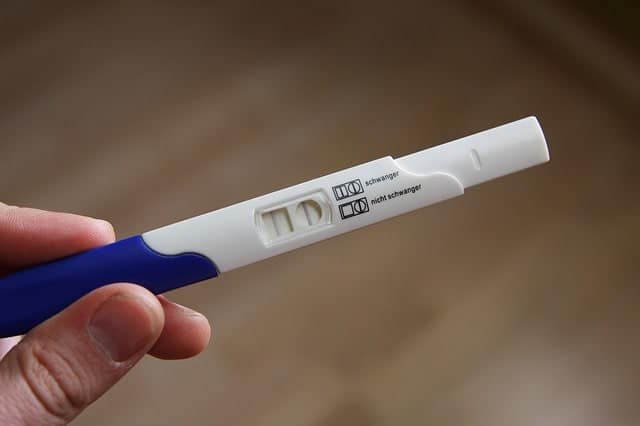
Pregnancy test after IVF
Where to find the best IVF Centre in East Delhi 2026?

In Vitro Fertilization – The most popular ART method IVF is the most frequently used assisted reproductive technique and the non-biological method of attaining pregnancy. The method is becoming increasingly popular owing to the significant increase in the number of infertility cases in all parts of the world. Infertility is a condition that impairs the ability of a couple to conceive and also impedes the process of achieving healthy fertilization.   ‘Test-tube baby’ is a common term used to address this traditional technique of IVF. A lot of couples choose to try IVF due to the higher chances of attaining conception offered by it. Whilst the problem of infertility compels the barren couples to undergo IVF as it deprives them from experiencing parenthood. If you are on the lookout for best IVF centre in East Delhi, then you this is the right place where you will receive answer to all your queries regarding IVF. IVF treatment process in East Delhi In the course of IVF, fertilization occurs in an external lab environment, in a glass by the support of fertility experts and other medical professionals. It is one of the most effective and prominent ART method used to tackle the problem of infertility amongst infertile couples. ART (Assisted Reproductive Technology) covers all such techniques that make conception possible for a human with the use of technology. The treatment involves fertilizing the female’s eggs with the male’s sperm by mixing in a culture dish in order to promote fertilization. Once healthy fertilization take place, this mixture takes another 4-5 days to fully develop into an embryo. The embryo is then transferred inside the uterus of the female through the instrumentality of a minor surgical procedure called embryo transfer. And consequently, pregnancy occurs within a period of 14 days of the embryo transfer. At Select IVF India, we have highly skilled fertility doctors having substantial expertise in the fertility domain and are widely acknowledged for providing finest quality IVF treatment in East Delhi. Our well-qualified fertility experts and IVF specialists incorporate the use of advance technology and latest surgical equipments to operate their patients for IVF treatment. We ensure that each and every patient receives a great fertility treatment experience. What is the difference between IVF and IUI? The following are the differences between IVF and IUI: Finding out the applicability of IVF treatment IVF treatment is a suitable option for you at the best IVF centre in East Delhi in case you have had repeated failures while attempting to conceive the natural way. Also, if one of the couples is proven to be infertile or the cause of infertility has not been detected so far, then IVF is for you. Apart from that, below are some reasons that necessitate the application of an IVF treatement. In the pursuit of the best IVF Centre in East Delhi Couples often feel dubious while choosing the best fertility centre due to the plethora of options available to them in order to find an appropriate fertility clinic. However, if by any chance you are searching for the best IVF centre in East Delhi, then there is no better option than Select IVF India. We are one of the foremost IVF clinics in East Delhi providing top-class fertility treatments to patients who choose us for the treatment. We have a track record of providing positive outcomes to the patients around the globe and because of which patients from other developed nations pick us for their fertility treatment. Our keenly priced fertility treatments draw the attention of international patients to India. We make IVF a trouble-free and pleasant experience with the services of fertility experts at Select IVF India. Our fertility and IVF specialists have over 30 years of experience in the fertility department and are well-known for providing efficacious fertility treatment to their various patients. Besides the treatment, our team members support the patients at every step of their IVF treatment journey. We offer reasonable price for various fertility treatments and never ever compromise on the quality of the treatment. Where is the best IVF centre Delhi? Select IVF in Delhi is the best IVF centre that reaches out to every infertile couple if they contact through info@www.selectivf.com or +91-8447592299. This is one of the recognised fertility centres in East Delhi. Here, you can find the most affordable and high success rate fertility solutions, including IVF, surrogacy, egg donor, sperm donor, egg/sperm/embryo freezing, ICSI, IUI, PGD, etc.  Build your dream family with the help of Select IVF. This centre can provide treatment with comfort and support throughout the process. Through the centre’s guidance, you can have the happiness of building your dream family. The centre has a passion for delivering excellent services and a commitment to sticking to affordability and a high success rate.  In Delhi, Select IVF is the ideal choice for infertile couples. It helps infertile couples embark on the journey of building a family. The centre’s experienced and trained doctors are dedicated to providing positive results to infertile couples. What are the top 5 IVF centre with a high success rate in East Delhi? Choosing the right IVF centre is one of the most important decisions for couples struggling with infertility. East Delhi offers access to several renowned clinics where advanced technology and experienced specialists come together to provide hopeful outcomes. Here are five of the best centres known for their quality care and good success rates: Select IVF: Select IVF provides comprehensive fertility services and individualised treatment plans. Couples who have sought care here often appreciate the personal attention and compassionate approach. World Fertility Centre: Located in Lajpat Nagar, this centre is often recognised for its modern lab facilities and skilled fertility experts. With a reported success rate of around 74–78%, it has become a trusted name for couples seeking reliable treatment. Fertility World: Popular across Delhi NCR, Fertility World is known for using advanced techniques and providing personalised care. The centre highlights very high success rates, making it a preferred…

View details
Recurrent Miscarriage

The journey through endometriosis and adenomyosis, especially for those seeking fertility solutions like IVF, is a complex terrain. Understanding the interplay between these conditions, fertility, and assisted reproductive technologies is key to informed decision-making. As science and medicine continue to advance, the landscape of fertility treatment evolves Recurrent Miscarriage, offering hope and possibilities to those navigating the intricate path towards parenthood. Select IVF, with its obligation to greatness and patient-driven approach, remains as a reference point for people confronting the difficulties of endometriosis and adenomyosis. By joining state of the art innovation, experienced experts, and merciful consideration, Select IVF endeavors to transform the fantasy of being a parent into a reality, even despite these perplexing regenerative medical issues. Defining Recurrent Miscarriage Recurrent miscarriage is a medical condition characterized by the unfortunate occurrence of three or more consecutive pregnancy losses before the 20th week of gestation. This deeply distressing experience challenges couples aspiring to build their families emotionally and physically. The causes of recurrent miscarriage can vary, including chromosomal abnormalities, uterine structural issues, hormonal imbalances, immunological factors, infections, and chronic conditions. Diagnosis involves a comprehensive assessment, including genetic testing, uterine evaluations, hormonal analysis, and immunological screening. Addressing recurrent miscarriage often requires a personalized approach, including genetic counseling, lifestyle modifications, surgical interventions, and assisted reproductive technologies like in vitro fertilization (IVF) with pre-implantation genetic testing. Seeking support from specialized clinics such as Select IVF can provide couples with advanced diagnostics and personalized treatment plans, fostering hope in the face of this challenging journey. Causes of Recurrent Miscarriage Understanding the causes of recurrent miscarriage is critical to devising a treatment plan. While RPL may sometimes occur without a clear explanation, various factors are known to contribute: 1. Genetic Factors 2. Uterine Abnormalities 3. Hormonal Imbalances 4. Blood Clotting Disorders 5. Autoimmune Disorders 6. Lifestyle and Environmental Factors Environmental Toxins: Exposure to certain chemicals, radiation, and pollutants can also impact pregnancy outcomes. Age: As women age, the likelihood of chromosomal abnormalities and miscarriage increases, particularly after the age of 35. Lifestyle Choices: Smoking, excessive alcohol consumption, and high levels of stress are associated with higher miscarriage rates. Diagnosing Recurrent Miscarriage Diagnosis is a crucial step in understanding and addressing recurrent miscarriage. At Select IVF, a comprehensive diagnostic evaluation may include: This thorough approach to diagnosis enables Select IVF’s fertility specialists to develop a personalized treatment plan tailored to each couple’s unique needs. Treatment Options for Recurrent Miscarriage Treating recurrent miscarriage involves addressing the underlying cause, if identified, and supporting the overall health of both partners. At Select IVF, we offer a variety of evidence-based treatments: 1. Genetic Counseling and Preimplantation Genetic Testing (PGT) For couples with genetic abnormalities, genetic counseling provides critical information on their condition and options for achieving a healthy pregnancy. Preimplantation genetic testing (PGT), performed during an in vitro fertilization (IVF) cycle, allows embryos to be screened for chromosomal abnormalities before transfer, increasing the chances of a successful pregnancy. 2. Uterine Surgery If structural abnormalities are present, surgical interventions may help: 3. Hormonal Therapy In cases of progesterone deficiency, hormone therapy can be beneficial: 4. Anticoagulant Therapy For those with blood clotting disorders, anticoagulant therapy can improve pregnancy outcomes: 5. Immunotherapy In cases where the immune system is involved, treatments may include: 6. Lifestyle Modifications Small lifestyle changes can make a big difference: 7. Assisted Reproductive Technology (ART) In some cases, assisted reproductive techniques like IVF are recommended. With IVF, fertility specialists can monitor the development of embryos closely, selecting the healthiest embryo for transfer. When combined with PGT, IVF allows for the screening of embryos, reducing the risk of miscarriage due to chromosomal abnormalities. What is the care plan after recurrent miscarriages? Experiencing recurrent miscarriages can be an emotionally daunting journey, and seeking comprehensive care is paramount for both physical and emotional well-being. Regularly, following repetitive premature deliveries, a careful evaluation is started, including blood tests and sweeps to recognize likely issues. Reference to an expert unit committed to overseeing intermittent unnatural birth cycle is frequently suggested, giving particular skill. Blood Tests:Blood tests play a crucial role in evaluating potential complications that may contribute to recurrent miscarriages. These tests assess factors such as blood clotting disorders, polycystic ovary syndrome, and antibodies that can impact placental function. Early identification of these issues allows for targeted interventions. Uterine Investigations:The shape of the uterus is a key consideration, as abnormalities can increase the risk of recurrent miscarriage and premature birth. Various methods, including imaging, are employed to assess uterine shape. Depending on the findings, surgical interventions may be recommended to optimize the chances of a successful pregnancy. Specialized Antenatal Care:Quality antenatal care tailored to the unique needs of individuals experiencing recurrent miscarriages can significantly influence outcomes. Seeking support from an Early Pregnancy Unit is encouraged, as evidence suggests that it may reduce the risk of further miscarriages. Progesterone and Recurrent Miscarriage:Recent research, such as the PRISM trial, has shed light on the potential benefits of progesterone treatment for those with a history of recurrent miscarriage, particularly if experiencing bleeding in the current pregnancy. Progesterone, a hormone crucial for maintaining pregnancy, is administered as vaginal pessaries twice daily. The study demonstrated substantial benefits for women with three or more previous miscarriages, emphasizing the importance of individualized care. In the PRISM trial: Coping with Recurrent Miscarriage: Emotional Support and Counseling Recurrent miscarriage is an emotionally challenging journey that can impact mental health and relationships. Recognizing this, Select IVF provides psychological counseling and support services, including: The Role of Select IVF in Supporting Couples with Recurrent Miscarriage At Select IVF, we understand that recurrent miscarriage requires a comprehensive, compassionate approach. Our team of experienced fertility specialists, genetic counselors, psychologists, and support staff work together to offer personalized care, advanced diagnostics, and tailored treatments to address each patient’s unique needs. By creating a supportive environment and offering the latest reproductive technologies, we are dedicated to helping couples turn their hope for a family into a reality. Conclusion Recurrent miscarriage is a complex and emotionally charged journey…

View details
Which is The Best Infertility Specialist in Delhi NCR?

Are you looking for the best infertility specialist in Delhi NCR? Infertility is an emotionally draining experience that a couple has to go through and is a major reason behind stress in their life. Another major decision a couple has to make is choosing the infertility specialist for their fertility treatment as it is the only option if they wish to hold their baby in arms. You don’t want to go wrong at choosing the infertility specialist for your treatment and would want to experience your journey to parenthood by receiving treatment from someone who can assure you the best chances of success. Why should you trust SELECT IVF for IVF in Delhi NCR? To reduce the stress of the couples seeking the best infertility specialist in Delhi NCR, you no longer have to worry as to finding the infertility specialists that offers highest chances of success in any type of infertility treatment. Dr. Nalini Gupta – A senior infertility specialist in Delhi NCR, is the type of fertility doctor every infertile couple wishes for because she has performed innumerable successful infertility cases in India, especially Delhi NCR. Dr. Nalini Gupta is an expert at identifying the exact cause behind a patient’s infertility and providing them the best course of a fertility treatment that can change their life for the better. About Dr. Nalini Gupta and her experience Dr. Nalini Gupta is a skilled infertility specialist in Delhi NCR with over 30 years of experience in solving even the most complicated cases of infertility cases. Due to her brilliance in the domain of infertility treatments, she is listed among the top 10 infertility specialists in India. The one thing that contributes to the success in the fertility treatment is the experience of the fertility expert because only an experienced fertility specialist can feel empathy for the patients and provide them with the most coveted outcomes. The credibility of an excellent fertility specialist is first determined by their academic credentials and Dr. Nalini Gupta is a highly qualified fertility doctor with a handful of accreditations to prove that. At the University of Leeds, she gained hands-on experience at the Reproductive Medicine Unit and Assisted Conception Unit in the St. James’ Hospital and the Leeds General Infirmary. Also, she has received an award for her research project on the ‘Impact of Irradiation on Apoptosis in Human Ovary’ that she completed with the guidance and supervision of Dr. Helen M Picton. Over 4000 infertile couples have benefitted by receiving treatment in the auspices of Dr. Nalini Gupta and she continues to provide her expert fertility services with successive results to patients all over the world.   What makes Dr. Nalini Gupta the best infertility specialist in Delhi NCR? Dr. Nalini Gupta is an illustrious infertility specialist in India who performs the infertility treatments by following strict professional and medical ethics. She believes in keeping at the core the medical conditions and different health requirements of the patient; this approach has helped her in achieving and maintaining success rates for infertility treatments that comply with the international standards. Her impressive work ethic and excellent quality infertility management have made her the best option for infertility treatment in India. According to Dr. Nalini Gupta, for treating infertility, a sympathetic approach needs to be adopted by the doctor and medical staff. Every patient is different and thus, requires a different approach and comprehensive counseling sessions for ensuring better outcomes in their infertility treatment and the high success rates. Criteria for Evaluating Infertility Specialists Medical Qualifications and Certifications: One of the pivotal factors in assessing the proficiency of an infertility specialist in Delhi NCR is their medical qualifications and certifications. Individuals having suitable educational backgrounds, such as degrees in obstetrics, gynaecology, or reproductive endocrinology, should be given priority by patients. Board certifications and memberships in reputable medical associations further validate the expertise of the specialist, ensuring that they adhere to the highest standards of professional competence. Experience in the Field of Infertility: The depth of experience an infertility specialist possesses is a critical consideration. Years of practical experience in treating infertility issues often translate into a deeper understanding of the complexities involved. Specialists who have encountered a diverse range of cases are better equipped to handle unique challenges and provide personalized treatment plans tailored to the specific needs of each patient. Success Rates in Fertility Treatments: Assessing the success rates of fertility treatments administered by a specialist is imperative for prospective patients. Success rates provide important information about how well the specialist’s methods are working. These statistics include live birth rates and pregnancy rates each treatment cycle. A higher success rate may instill confidence in patients regarding the specialist’s ability to achieve positive outcomes. Patient Testimonials and Reviews: Patient testimonials and reviews serve as firsthand accounts of the experiences individuals have had with a particular infertility specialist. Potential patients may learn a lot about the doctor’s bedside manner, communication style, and general patient satisfaction by reading these testimonials. Positive reviews may indicate a supportive and effective patient-doctor relationship, contributing to a more informed decision-making process. Availability of Advanced Technologies and Treatment Options: The incorporation of advanced technologies and a diverse array of treatment options signifies a commitment to staying at the forefront of infertility care. When it comes to finding new ways to treat infertility, specialists with access to state-of-the-art equipment and a wide choice of treatments—like IVF, preimplantation genetic testing, and fertility preservation—show that they are open to trying different approaches. This aspect is crucial, especially when dealing with complex cases that may require innovative solutions. What are the charges for infertility treatment and consultation by the infertility specialist in Delhi NCR? Besides the finest quality infertility treatment, Dr. Nalini Gupta is known for providing her brilliant infertility services within an economical price range. Before operating the patient for infertility treatment, she provides the best consultation to the patients at an affordable cost which is INR 1,000. In the consultation session, Dr. Nalini shows to the patient the exact…

View details
Erectile Dysfunction

Erectile Dysfunction (ED) is a nuanced aspect of men’s health, often veiled in misconceptions and stigmas. In collaboration with Select IVF, a leading fertility and reproductive health center, this introduction opens the door to understanding, addressing, and overcoming Erectile Dysfunction. Defined as the persistent inability to achieve or maintain an erection for satisfactory sexual performance, ED affects men of all ages and backgrounds. At Select IVF, the mission extends beyond traditional approaches, embracing a holistic perspective that includes advanced medical interventions, psychological support, and lifestyle considerations. This excursion into the domain of Erectile Brokenness will investigate its complex nature, the exhaustive analytic cycles at Select IVF, inventive treatment choices, and the significant job of way of life adjustments. The goal of this investigation is to deconstruct erectile dysfunction (ED), educate the public about Select IVF’s transformative methods for reclaiming male sexual vitality, and dispel myths about the condition. Understanding Erectile Dysfunction Understanding Erectile Dysfunction (ED) is crucial for those grappling with its impact on sexual health. Erectile Dysfunction, or impotence, refers to the persistent inability to achieve or maintain an erection sufficient for sexual activity. In collaboration with Select IVF, a leading fertility and reproductive health center, this guide seeks to unravel the complexities of ED. Both physical and psychological factors contribute to this condition, ranging from cardiovascular issues and diabetes to stress and anxiety. Select IVF embraces an extensive way to deal with determination and treatment, perceiving the significant close-to-home and social ramifications of ED. Select IVF means to enable people with the information and backing they need to explore the hardships of ED and recover a sexual life that is fulfilling and satisfying by offering various individualized medicines, like meds, infusions, and directing. What is Erectile Dysfunction? Erectile dysfunction (ED) is a specific type of penile disorder impacting your ability to achieve and sustain a firm erection for sexual intercourse. Emotions play a pivotal role; a relaxed, confident, and aroused state is crucial. Occasional erection issues are normal, often linked to feelings of nervousness, anxiety, frustration, or fatigue. External factors like alcohol and substance use can contribute, as can underlying health conditions or side effects of certain medications or cancer treatments. If you’re facing challenges with erections, seeking guidance from a healthcare provider is advisable. ED may signify an underlying issue, potentially linked to heart disease, making a professional consultation crucial. Synonymous terms for ED are impotence or impotency. It’s essential to address concerns promptly, fostering open communication with healthcare providers for comprehensive support. What are the Types of Erectile Dysfunction? Healthcare providers classify Erectile Dysfunction (ED) into distinct categories: How Common is Erectile Dysfunction? Erectile dysfunction (ED) is a prevalent issue, affecting a significant number of men worldwide. The frequency of ED tends to increase with age, but it can occur at any stage of life. It’s important to note that occasional difficulty with erections is normal, and many men experience it. However, when the problem becomes persistent and interferes with sexual performance and satisfaction, it may be classified as erectile dysfunction. As indicated by different investigations and medical services reports, the commonness of ED will in general ascent with age. Factors, for example, fundamental medical issues, way of life decisions, and mental prosperity additionally add to its event. Gauges propose that an extensive level of men, especially those beyond 40 years old, may encounter some level of erectile trouble. While ED is common, seeking professional advice is crucial for accurate diagnosis and appropriate management. Many effective treatments are available, ranging from lifestyle changes and medications to advanced medical interventions, providing hope and solutions for those dealing with erectile dysfunction. What are the symptoms of erectile dysfunction? Symptoms of erectile dysfunction include: What causes erectile dysfunction? Erectile dysfunction (ED) can be attributed to a variety of factors, encompassing both physical and psychological aspects. Common causes include: Physical Health Conditions: Physical health conditions play a pivotal role in determining the success of a liver transplant. The overall strength of the patient, the presence of simultaneous problems, and the seriousness of liver harm are extremely significant contemplations. A strong physical condition improves the body’s capacity to tolerate the transplant operation and speeds up postoperative recovery, both of which contribute to a better success rate. Psychological Factors: Psychological factors significantly impact the success of liver transplants. Mental health, coping mechanisms, and the patient’s emotional state play crucial roles in postoperative recovery. To address stress, anxiety, and depression, in addition to ensuring a holistic approach to the transplant process and fostering overall well-being, it is essential to have adequate psychological support, which includes counseling and mental health services. Lifestyle Factors: Lifestyle factors, including diet, exercise, and substance use, are instrumental in determining transplant success. A healthy lifestyle supports the body’s ability to recover and adapt to the transplant, reducing the risk of complications. Conversely, poor lifestyle choices can impede the healing process and jeopardize the success of the transplant. Emphasizing the importance of a balanced lifestyle is integral to optimizing patient outcomes. Medications and Treatments: The success of liver transplants is intricately linked to the medications and treatments administered before, during, and after the procedure. Immunosuppressive medications, antiviral drugs, and other prescribed treatments are crucial in preventing organ rejection and managing post-transplant complications. The patient’s adherence to medication regimens and the efficacy of prescribed treatments significantly influence the long-term success and sustainability of the transplanted liver. Injury or Surgery: Prior injuries or surgeries can impact the feasibility and success of liver transplants. Adhesions, scarring, or changes in organ structure caused by past medical treatments may provide difficulties during the transplant surgery. Surgeons must thoroughly examine the patient’s surgical history in order to predict and handle any issues and ensure a safe and successful liver transplant. Thorough preoperative evaluations and surgical planning are imperative in mitigating risks associated with previous injuries or surgeries, contributing to positive outcomes. Who does Erectile Dysfunction Affect? Increased risk of ED may be associated with: What is the best way to fix erectile dysfunction? Identifying the…

View details
Non-Obstructive Azoospermia

Non-Obstructive Azoospermia (NOA) is a complex male fertility condition characterized by the absence of sperm in the ejaculate due to a failure in sperm production within the testes. Unlike obstructive azoospermia, where a physical blockage hinders sperm transport, NOA is associated with intrinsic issues in sperm formation. This condition presents a significant challenge for individuals aspiring to conceive, requiring a thorough understanding of its causes and available interventions. In this informative introduction, we will unravel the mysteries of Non-Obstructive Azoospermia, exploring its underlying factors, diagnostic approaches, and potential treatments, providing valuable insights for those navigating the realm of male infertility. Understanding Non-Obstructive Azoospermia Non-obstructive azoospermia is a male fertility condition where the testicles produce little to no sperm. Unlike obstructive azoospermia, the issue lies within the testicular function, affecting natural conception. Defining Non-Obstructive Azoospermia Non-Obstructive Azoospermia is a condition characterized by the absence of sperm in the ejaculate due to a failure in sperm production within the testicles. Unlike obstructive azoospermia, where a physical blockage prevents the release of sperm, NOA stems from deficiencies in sperm production. The Importance of Sperm Production Sperm production, also known as spermatogenesis, is a complex process that occurs within the seminiferous tubules of the testicles. Any disruption in this intricate process can lead to the absence of sperm in the ejaculate, causing infertility. Types of Non-Obstructive Azoospermia NOA can further be classified based on the underlying cause: Causes of Non-Obstructive Azoospermia Genetic Factors: Genetic factors play a significant role in the development of Non-Obstructive Azoospermia. Abnormalities in the Y chromosome, microdeletions, and mutations in genes related to spermatogenesis can contribute to this condition. Hormonal Imbalances: Disruptions in hormonal balance, particularly involving hormones like FSH (Follicle-Stimulating Hormone) and LH (Luteinizing Hormone), can impact sperm production. Hormonal imbalances may result from conditions such as hypogonadism or pituitary disorders. Environmental and Lifestyle Factors: Exposure to environmental toxins, radiation, and certain medications can adversely affect sperm production. Lifestyle factors such as smoking, excessive alcohol consumption, and obesity have also been linked to Non-Obstructive Azoospermia. Diagnosing Non-Obstructive Azoospermia Treatment Options for Non-Obstructive Azoospermia While NOA is a challenging diagnosis, there are several promising treatment approaches, especially with advances in assisted reproductive technology (ART). Select IVF offers expertise in this field, providing comprehensive support and the latest techniques for patients facing NOA. 1. Hormonal Therapy In cases where NOA is due to hormonal imbalances, hormonal therapy can be an effective solution. By administering medications that stimulate the release of FSH, LH, or other relevant hormones, it is possible to encourage sperm production. However, hormonal therapy is typically more effective for secondary testicular failure than for primary testicular failure. 2. Testicular Sperm Extraction (TESE) For men with NOA, TESE is a minimally invasive surgical procedure used to retrieve sperm directly from the testes. During TESE, a fertility specialist retrieves small tissue samples from the testes, which are then examined for the presence of sperm. If viable sperm is found, it can be used for intracytoplasmic sperm injection (ICSI) during an IVF cycle. TESE is an advanced procedure available at specialized fertility clinics like Select IVF, where experienced reproductive surgeons maximize the chances of successful sperm retrieval. 3. Micro-TESE (Microdissection Testicular Sperm Extraction) Micro-TESE is a refined version of the TESE procedure and is often used for men with severe NOA. This technique involves using a high-powered surgical microscope to carefully examine the testicular tissue and identify areas with potential sperm production. Micro-TESE offers a higher success rate in sperm retrieval than conventional TESE because it allows surgeons to locate small areas of sperm production more effectively. The procedure is complex and should be performed by skilled specialists with experience in reproductive microsurgery, like those at Select IVF. 4. Intracytoplasmic Sperm Injection (ICSI) Once sperm is successfully retrieved through TESE or Micro-TESE, it can be used for ICSI, an advanced ART technique that involves injecting a single sperm directly into an egg. ICSI is particularly effective for cases of male infertility, as it bypasses the need for large quantities of sperm, using only a single viable sperm for each egg. ICSI is routinely offered in fertility clinics and, in combination with IVF, provides a highly effective treatment for couples dealing with NOA. 5. Genetic Counseling For patients with a genetic cause of NOA, such as Y-chromosome microdeletions, genetic counseling is essential. Genetic counselors can help individuals and couples understand the implications of genetic abnormalities, including the likelihood of passing them on to offspring. In some cases, preimplantation genetic testing (PGT) may be recommended during the IVF cycle to screen embryos for genetic conditions before implantation. 6. Donor Sperm If sperm retrieval attempts are unsuccessful or if genetic issues pose a significant risk to potential offspring, using donor sperm may be a viable option. Select IVF provides comprehensive counseling and support for those considering sperm donation, ensuring that all aspects are discussed openly to make informed decisions. Coping with Non-Obstructive Azoospermia It can be difficult to manage non-obstructive azoospermia. Navigating this issue requires seeking out emotional support, looking into fertility therapies, and keeping lines of communication open with medical providers. Success Rates and Considerations for Non-Obstructive Azoospermia The success of treatments for NOA varies based on several factors, including the underlying cause, age, health, and the experience of the fertility clinic. Micro-TESE, for example, has shown success rates of around 50-60% for sperm retrieval in men with NOA. However, the chances of successful pregnancy depend on the quality of the retrieved sperm, the response to IVF/ICSI, and the quality of the female partner’s eggs. It’s also essential to consider that NOA treatments can be emotionally challenging and time-consuming. Fertility experts at Select IVF prioritize compassionate care, providing guidance and emotional support throughout the journey. The Role of Select IVF in Non-Obstructive Azoospermia Comprehensive Diagnostic Services: At Select IVF, we understand the complexities of male infertility. Our state-of-the-art diagnostic services, including advanced semen analysis and genetic testing, enable us to identify the underlying causes of Non-Obstructive Azoospermia with precision. Personalized Treatment Plans: Our…

View details