
Legal Rights of Intended Parents in Surrogacy: What You Need to Know

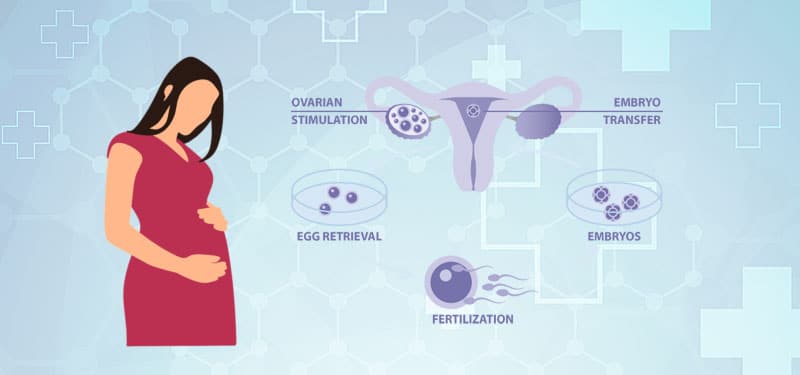
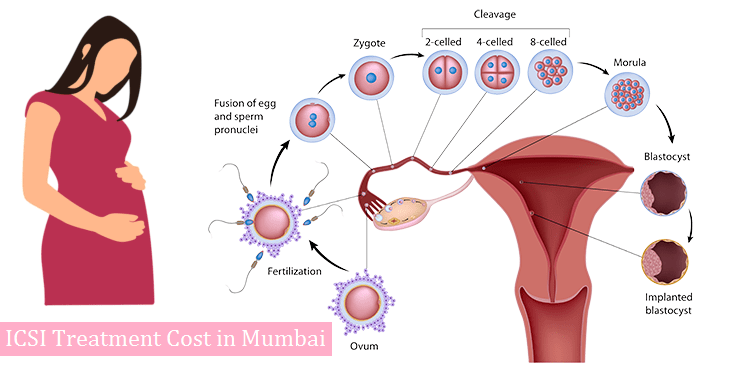
In India, the Surrogacy (Regulation) Act of 2021 provides a framework for altruistic surrogacy, stating the legal rights and responsibilities of intended parents in surrogacy. Intended parents are individuals or couples who seek help from fertility centres to have a child through surrogacy. Surrogacy is developed to treat infertility. It’s a healthcare issue that can happen in both men and women. The factors that can contribute to infertility include lifestyle, age, genetics, and environmental issues. Due to the increasing need for infertility solutions, there are infertility procedures that can help infertile couples to cure their infertility.  Surrogacy has emerged as the best option because of the advancement in artificial reproduction techniques. Because of surrogacy, parenthood is no longer limited to heterosexual or married couples. The treatment can also help single parents, widowed women, single men, gay couples, etc. So, in this article, we are gonna discuss the legal rights of Intended Parents in Surrogacy. We will know things deeply. Before anything, let’s understand surrogacy first…  Why should you trust SELECT best IVF center in Gujarat? Understanding surrogacy  Surrogacy is a fertility treatment where a woman, called the surrogate, agrees to carry and deliver a baby for another person or couple known as the intended parents. There are 4 types of surrogacy in India: Allowed form of surrogacy  Gestational surrogacy: it’s the most used form of surrogacy available in the Philippines. It involves the extraction of eggs from the intended mother and sperm from the intended father. Both eggs and sperm are fertilised to create an embryo, which is implanted into the uterus of the gestational surrogate mother.  Altruistic surrogacy: It’s another commonly used form of surrogacy available in India. It involves the surrogate mother from the side of the intended couple. Additionally, there is no compensation given to the surrogate mother.  Not allowed form of surrogacy Traditional surrogacy: It’s an uncommon form of surrogacy that involves the egg from the surrogate mother and the sperm from the intended father. It includes the direct insertion of sperm into the uterus of a surrogate mother. This surrogacy creates a genetic relationship between the surrogate mother and child.  Commercial surrogacy: It includes the compensation provided to the surrogate mother. However, this surrogacy is banned in India as it exploits the surrogate mothers.  India only permits gestational surrogacy under strict laws and only for altruistic reasons. It means without commercial benefits. So, as per the Surrogacy Regulation Act 2021, traditional surrogacy and commercial surrogacy are banned.  The process of surrogacy at Select IVF  The procedure of surrogacy step-by-step in India, in Select IVF, takes 11 to 18 months for both domestic and international patients. We have specialised plans for international patients and have personalised options for domestic patients.  First, let’s talk about our domestic and international patients’ procedure of surrogacy step-by-step in the form of a table for your easy understanding:  The procedure of surrogacy for domestic patients  Domestic patients for surrogacy in India The procedure of surrogacy for International Patients  International patients for surrogacy in India Consultation  Discussion of causes of infertility, the success rate of surrogacy, cost, and other essential things with domestic patients.  Contact a clinic & get a consultation   Reach out to a reputable clinic in India such as Select IVF. Get a consultation by phone to discuss your medical history and suitable treatment options.  Ovarian stimulation  Providing hormonal injections to women or egg donors to produce eggs  Initial consultation  Schedule an initial consultation with the surrogacy specialist to discuss essential things such as the medical history, costs, success rate, etc.  Egg retrieval  Eggs are harvested from the uterus of the woman using a catheter  Application for a medical visa  Get a medical visa from India, which typically requires documentation.  Sperm collection  Sperms are gathered from the male partner  Testing  Tests advised by fertility doctors such as blood tests, semen analysis, and other procedures.  Fertilization  Eggs and sperm are combined together on a laboratory dish to form an embryo  Ovarian stimulation  Providing hormonal injections to women or egg donors to produce eggs Embryo transfer  The embryo formed through fertilisation is placed into the uterus of the woman  Egg retrieval  Eggs are harvested from the uterus of the woman using a catheter  Pregnancy check After 12 days, a blood test is performed to check the results of the embryo transfer  Sperm collection and fertilisation  Sperms are gathered from the male partner, & Eggs and sperm are combined together in a laboratory dish to form an embryo  Embryo transfer & pregnancy check  The embryo formed through fertilization is placed into the uterus of the woman, & After 12 days, a blood test is performed to check the results of the embryo transfer.  Legal Rights of Intended Parents in Surrogacy  Right to Parenthood: Intended parents are recognised as the legal parents of the child born through surrogacy, with no claim from the surrogate mother. Protection under Surrogacy Agreement: A legally binding surrogacy agreement outlines the roles, obligations, and rights of both the surrogate and intended parents, safeguarding the interests of all parties involved. Eligibility criteria for intended parents in surrogacy  To be eligible for surrogacy in India, intended parents must meet specific requirements: Age Range: The male partner must be between 26 and 55 years old, while the female partner must be between 23 and 50 years old. Marital Status: The couple must be legally married. No Biological Children: The couple should not have any biological children from a previous marriage. Unmarried Women: An unmarried woman between 35 and 45 years old, who is divorced or widowed, may also be eligible, provided she doesn’t have a living child from a prior marriage. Responsibilities of intended parents Intended parents are required to: Cover Surrogate’s Expenses: Pay for the surrogate’s medical expenses, insurance, and other related costs. Provide Health Insurance: Obtain health insurance for the surrogate mother, covering 36 months of postpartum care. Surrogacy Cost in India Surrogacy is a series of complex procedures that involve the help of a surrogate, several medical examinations & procedures,…

Details

IVF for Older Women: Age , Fertility, and Your Options

IVF for Older Women In today’s world, many women are choosing to start their families later in life. With careers, education, travel, and financial stability taking centre stage, it’s no surprise that the average age of motherhood is increasing. However, age is a significant factor in female fertility, and for older women trying to conceive, In Vitro Fertilization (IVF) has become a hope. But what exactly are the chances of IVF success for older women? How does age affect fertility and treatment outcomes? This article explores the realities, success rates, challenges, and hope IVF offers to women in their late 30s and beyond. First, here’s why we are best for IVF…. How to Choose the Best IVF Centre in India Understanding IVF and female fertility Before diving into age-related outcomes, let’s briefly understand how IVF works. What is IVF? IVF (In Vitro Fertilization) is an assisted reproductive technology (ART) that involves: How does IVF helpful? IVF is helpful in treating infertility of both male and female. It is 4 to 6 weeks procedure in clinic. After that, woman can carry a 9 month pregnancy and welcome a baby at their home. The following procedure describe you the IVF’s helpfulness:  The first step in IVF involves consultation. In this procedure, individual’s infertility is discussed. Each and every detail about infertility is discussed whether it’s the cost, success rate, cause of infertility and the solutions for infertility.  Next step is retrieval of egg.  However, before this ovarian stimulation is required. Ovaries are stimulated to produce multiple eggs. Hormonal injections are required to perform this  step. Hormonal injections trigger the ovaries so that they can produce multiple eggs for further procedures.  When eggs are developed, it is retrieved with the cather a tool used to retrieve eggs from the ovaries. When eggs are retrieved then sperm are retrieved from the male partner on the same day. Both eggs and sperm are combined in the laboratory dish to form an embryo which is implanted into the uterus of the woman.  After embryo transfer, pregnancy test is performed to see the results of the IVF. This test is performed 12 days later right after the procedure of embryo transfer.    How much does it cost? The cost of IVF starts from $3000 and it can range up to $6000 depending on multiple factors such as the location of the centre, success rate, IVF doctor charges, medication charges, procedure charges, screening and tests charges, additional services charges such as egg donor, sperm donor, egg freezing, embryo freezing, etc. The cost of IVF varies on patient’s condition and complexity of the case too.  How does female fertility change with age? Female fertility starts to decline gradually after the age of 30 and more rapidly after 35. The two key reasons are: This decline directly impacts natural conception and IVF success rates. IVF Success Rates by Age: What do the numbers say? Success rates for IVF are closely tied to age, particularly the age of the woman’s eggs (whether her own or from a donor). IVF Success Rates Using Own Eggs Here’s a general breakdown of IVF success rates by age, using a woman’s own eggs. These are average statistics and may vary depending on the clinic, the woman’s health, and other factors: The success rate of IVF based on age  The success rate of IVF women with age between 20 to 25 years   Up to 98% women with age between 25 to 35 years   Up to 95% women with age between 35 to 40 years    Up to 73% women with age between 40 to 45 years   40 to 70% women with age between 45 to 50 years   35 to 60% IVF Success Rates with Donor Eggs Older women often achieve higher success with donor eggs. Donor egg IVF has a success rate of: 50–70% per cycle, regardless of the recipient’s age. Because the donor is usually a young, healthy woman, the eggs are of higher quality, which significantly boosts the chances of a healthy pregnancy. IVF After Age 35: What you need to know? IVF for Women Aged 35 to 37 This is a transitional phase. While many women still respond well to fertility medications, egg quality begins to decline, and the risk of miscarriage increases slightly. IVF success is still relatively good in this age group. IVF for Women Aged 38 to 40 This age bracket is considered “advanced maternal age.” The number of viable eggs begins to drop more significantly, and embryo quality becomes a concern. Some women may need more IVF cycles to achieve pregnancy. IVF for Women Over 40 Women over 40 face steeper fertility challenges. Even with high doses of medication, ovarian response may be poor. The risks of miscarriage, implantation failure, and chromosomal abnormalities rise. Factors that affect IVF success in older women 1. Ovarian Reserve Ovarian reserve refers to the number and quality of eggs remaining in the ovaries. Older women usually have a lower reserve, which can be evaluated through: A low ovarian reserve may indicate a need for donor eggs or aggressive stimulation protocols. 2. Uterine Health The uterus generally maintains its ability to carry a pregnancy longer than the ovaries produce viable eggs. However, older women may develop conditions like fibroids, endometrial polyps, or adenomyosis, which can affect implantation. 3. General Health Chronic conditions such as hypertension, diabetes, and thyroid problems can complicate IVF treatment and pregnancy. A full medical assessment is essential before treatment. 4. Lifestyle Factors Treatment options for older women seeking IVF 1. Conventional IVF with Own Eggs For women in their late 30s to early 40s, IVF using their own eggs may still be viable if ovarian reserve and egg quality are acceptable. 2. Mini or Mild IVF This is a gentler protocol using lower doses of medication, suitable for women with low ovarian reserve or those who don’t respond well to conventional stimulation. 3. IVF with Donor Eggs Women with poor egg quality or reserve often turn…

Details

How to Choose the Best IVF Centre in India: A Complete Guide for Hopeful Parents

Infertility affects millions of couples in, leading many to seek help through assisted reproductive technologies like In Vitro Fertilization (IVF). With the rise in fertility challenges, the demand for IVF centres across the country has grown rapidly. However, choosing the right IVF centre can be confusing and emotionally draining, especially when you’re already dealing with the stress of infertility. Each centre offers different facilities, success rates, and treatment approaches  so how do you decide which one is truly the best for you? This guide is designed to help you navigate the selection process with confidence. Whether you’re just beginning your fertility journey or looking for a second opinion, we’ll walk you through the essential factors to consider, red flags to avoid, and questions to ask. By the end, you’ll be equipped with the knowledge you need to choose the best IVF centre in India, one that’s safe, ethical, affordable, and most importantly, right for your needs. How to Choose the Best IVF Centre in India Understanding IVF and Its Importance IVF is a fertility treatment where a woman’s egg is combined with a man’s sperm outside the body, in a laboratory. Once the egg is fertilized, the embryo is placed into the woman’s uterus to help her get pregnant. IVF is used when natural conception is difficult due to reasons like blocked fallopian tubes, low sperm count, hormonal issues, age-related infertility, PCOS, or unexplained infertility. IVF gives couples the chance to become parents when other treatments have failed. It’s especially important for women over 35 or those with complex fertility issues. Modern techniques like ICSI (for male infertility) or embryo freezing have improved IVF success rates. IVF is more than just a medical process — it brings hope and emotional relief to couples dreaming of a family. Choosing the right IVF centre can make a big difference in treatment quality, experience, and outcome. What’s the process of IVF? The In-Vitro Fertilisation (IVF) process is a carefully designed medical procedure aimed at assisting couples who are dealing with infertility issues. In India, leading fertility centres offer a structured and patient-friendly IVF journey that typically includes the following steps: Initial Consultation & Evaluation Ovarian Stimulation Egg Retrieval (Ovum Pick-up) Sperm Collection Fertilisation in the Lab Embryo Transfer Luteal Phase Support Pregnancy Test   Follow-up and Support   IVF cost in India The typical IVF cost in India falls between ₹1,10,000 and ₹2,20,000 for each cycle. But keep in mind, that’s just the starting point. Depending on what you need, extra procedures and tests can bump up the total cost. It really hinges on several factors, like the age of the couple, especially the woman, the number of IVF attempts needed to achieve success, the use of cutting-edge technology and techniques that can boost the success rate, and the experience and skill of the fertility doctors or IVF specialists involved. Here’s a quick breakdown of the costs: The following helps you understand the cost of IVF in India:  Types of IVF treatment in India The cost of IVF treatment in India (INR) IVF with self-egg and sperm cost in India  INR 1,50,000 IVF with ICSI cost in India INR 1,65,000-1,85,000 IVF with donor egg cost in India INR 2,06,000-3,00,000 IVF with donor sperm cost in India  INR 2,10,000 IVF with Laser Assisted Hatching (LAH) cost in India  INR 2,10,000-2,20,000 IVF with donor embryo cost in India  INR 2,05,000-3,00,000 IVF with PGD technique cost in India INR 3,00,000 The following will help you to understand the IVF treatment cost in different states of :  States of India Cost of IVF in different states of  (INR) IVF cost in India  INR 1,50,000 to INR 1,80,000  IVF cost in Raipur INR 1,40,000 to INR 2,00,000  IVF cost in Delhi  INR 1,40,000 to INR 2,30,000  IVF cost in Mumbai  INR 1,50,000 to INR 2,40,000  IVF cost in Punjab  INR 1,00,008 to INR 2,00,000  IVF cost in Haryana INR 1,40,000 to INR 2,00,000  IVF cost in Rajasthan  INR 1,50,000 to INR 2,00,000  IVF cost in Uttar Pradesh  INR 1,40,000 to INR 2,10,000  IVF cost in Madhya Pradesh  INR 1,40,000 to INR 2,20,000  IVF cost in Dehradun  INR 1,40,000 to INR 2,00,000  IVF cost in Bihar  INR 1,30,000 to INR 2,00,000  IVF cost in Jharkhand  INR 1,40,000 to INR 2,00,000 IVF cost in Assam  INR 1,20,000 to INR 1,80,000  IVF cost in Gujarat  INR 1,40,000 to INR 2,80,000  IVF cost in Tamil Nadu  INR 1,40,000 to INR 2,30,000  IVF cost in Andhra Pradesh  INR 1,40,000 to INR 2,00,000  IVF cost in Himachal Pradesh  INR 1,40,000 to INR 2,20,000  Why Choosing the Right IVF Centre Matters? Choosing the Best IVF Centre in India is not just a minor decision, it’s one of the most important steps in your journey toward becoming a parent. The fertility clinic you select plays a direct role in determining your chances of success, the safety of the process, the emotional support you receive, and your overall experience during a deeply personal and often challenging time. Let’s explore in detail why selecting the right IVF centre matters so much. 1. Success Rates Speak Volumes Each IVF centre has its own success rates, and these numbers often reflect the quality of treatment and expertise available at the clinic. A reliable centre will openly share its IVF success statistics based on age groups and treatment types. Choosing a centre with high and consistent success rates increases your chances of conceiving with fewer cycles, reducing emotional stress and financial burden. 2. Experienced and Qualified Specialists The success of IVF greatly depends on the experience and qualifications of the fertility specialists, embryologists, and support staff. A trusted IVF centre employs professionals with years of experience, deep medical knowledge, and up-to-date training in the latest technologies. A skilled team not only performs procedures more effectively but also handles complex fertility issues with care and precision. 3. Advanced Technology and Laboratory Standards High-quality IVF centres are equipped with state-of-the-art technology and maintain strict laboratory standards. From embryo freezing techniques to genetic screening tools,…

Details

Why Should You Consider Egg Freezing? A Smart Choice for Your Future Fertility

Why Should You Consider Egg Freezing? In today’s fast-paced world, dreams, careers, and personal goals often take priority—and that’s perfectly okay. But what if you want to embrace motherhood later in life without worrying about your biological clock ticking away? That’s where egg freezing steps in as a smart, empowering solution. Egg freezing, also known as oocyte cryopreservation, allows you to preserve your healthy, fertile eggs now and use them when you’re ready in the future. Whether you’re focusing on your career, haven’t found the right partner, or are undergoing medical treatments like chemotherapy this modern fertility option gives you the freedom of choice. It’s not just a medical process; it’s a step toward securing your future family on your terms. In this article, we’ll explore why more women around the world are choosing egg freezing and how it can be a powerful tool in taking control of their reproductive health. Why Should You Consider Egg Freezing? Introduction to egg freezing  Egg freezing, medically known as oocyte cryopreservation, is an advanced fertility preservation method that enables women to save their healthy eggs for future use. It involves stimulating the ovaries to produce multiple eggs, retrieving them, and then freezing them at extremely low temperatures using a technique called vitrification.  This option is ideal for women who wish to delay pregnancy for personal, medical, or professional reasons, such as pursuing education or career goals, undergoing cancer treatment, or waiting for the right partner. By freezing eggs at a younger age, women can preserve their fertility and increase their chances of having a biological child later in life.  Egg freezing is a safe and effective solution backed by modern reproductive technology and expert fertility care. As societal trends shift toward delayed parenthood, egg freezing provides an empowering choice for women to take control of their reproductive future with confidence and peace of mind. Process of freezing eggs  Egg freezing, or oocyte cryopreservation, involves several carefully monitored steps to preserve a woman’s eggs for future use. Here’s a step-by-step breakdown of the process: Benefits of egg freezing  Egg freezing empowers women to take control of their reproductive future. It offers the freedom to delay motherhood without the stress of declining fertility. This is especially helpful for women who want to focus on their careers, education, or personal goals. It’s also a smart option for those undergoing medical treatments like chemotherapy or facing conditions such as endometriosis that may affect fertility. Freezing your eggs at a younger age ensures better quality eggs, increasing the chances of a successful pregnancy later. Additionally, it gives peace of mind and removes the pressure of rushing into parenthood. 1. Fertility Preservation Egg freezing is a great option for women who want to delay pregnancy due to personal or professional reasons. By preserving eggs during their most fertile years, women can increase the chances of conceiving a healthy baby later in life, even if natural fertility declines with age. 2. Medical Backup For women undergoing medical treatments like chemotherapy, egg freezing offers a safety net. Cancer treatments and other aggressive medications can harm fertility. Freezing your eggs before starting treatment protects your chances of having a biological child in the future. 3. Career and Life Planning Many women wish to prioritize their careers, education, or personal growth before starting a family. Egg freezing allows you to plan motherhood on your own timeline without feeling pressured to settle down early just because of your biological clock. 4. Higher Success Rates Younger eggs are generally healthier and more likely to result in a successful pregnancy. Freezing your eggs in your 20s or early 30s improves the chances of fertilization and healthy embryo development when you’re ready to use them later. 5. Emotional Relief Knowing that your fertility is preserved can ease a lot of emotional pressure. You don’t have to rush into relationships or parenthood just because of age. This emotional freedom can bring peace of mind and allow you to make life choices with confidence. Egg freezing cost in India  The typical egg freezing cost in India falls between ₹1,00,000 and ₹2,00,000 for each cycle. But keep in mind, that’s just the starting point. Depending on what you need, extra procedures and tests can bump up the total cost. It really hinges on several factors, like ovarian stiulation, egg retrieval, storage, the age of the couple, especially the woman, the number of attempts needed to achieve success, the use of cutting-edge technology and techniques that can boost the success rate, and the experience and skill of the fertility doctors or specialists involved. Additionally, the egg storage fees are around 10000 to 30000 per year. So, as the number of years increases for storage then the cost also increases.  Factors affecting the cost of egg freezing in India  1. Location of the Clinic: The city or town where you choose to undergo the procedure plays a significant role in the overall cost. Clinics in major metropolitan cities such as Delhi, Mumbai, Bangalore, and Chennai tend to charge higher fees compared to smaller towns or cities. This is due to the higher cost of living, advanced technology availability, and increased demand for fertility services in these metro areas. 2. Clinic Reputation and Success Rates: Reputed IVF clinics with a strong track record of successful egg freezing and fertility treatments often have higher fees. These clinics invest heavily in the latest technology, experienced specialists, and better patient care, which reflects in their pricing. While the cost may be higher, many women choose such clinics for the increased likelihood of positive outcomes. 3. Number of Cycles Needed: Egg freezing typically requires stimulating the ovaries to produce multiple eggs, which are then retrieved and frozen. Some women may be able to freeze a sufficient number of eggs in a single cycle, but others might require two or more cycles to reach the desired number. Since each cycle involves separate procedures, consultations, and medication, the overall cost increases with the number of cycles. 4. Medications…

Details

Egg Freezing: A Smart Choice for Securing Your Future Fertility

Planning your future just got a little easier with egg freezing, you can take control of your fertility timeline. Whether you’re focusing on your career, waiting for the right partner, or facing a medical challenge, egg freezing (also called oocyte cryopreservation) gives you the freedom to choose when to start a family.  And the best part? India is quickly becoming a leading destination for this modern fertility solution—thanks to advanced technology, skilled specialists, and affordable pricing. Compared to Western countries, the egg freezing cost in India is budget-friendly without compromising on quality. In this article, we’ll walk you through everything you need to know cost breakdowns, what’s included, and key factors that influence the price so you can make a confident, informed decision. Why should you trust SELECT best IVF center in Gujarat? Introduction to egg freezing  Egg freezing, medically known as oocyte cryopreservation, is an advanced fertility preservation method that enables women to save their healthy eggs for future use. It involves stimulating the ovaries to produce multiple eggs, retrieving them, and then freezing them at extremely low temperatures using a technique called vitrification.  This option is ideal for women who wish to delay pregnancy for personal, medical, or professional reasons, such as pursuing education or career goals, undergoing cancer treatment, or waiting for the right partner. By freezing eggs at a younger age, women can preserve their fertility and increase their chances of having a biological child later in life.  Egg freezing is a safe and effective solution backed by modern reproductive technology and expert fertility care. As societal trends shift toward delayed parenthood, egg freezing provides an empowering choice for women to take control of their reproductive future with confidence and peace of mind. Who is a good candidate for freezing eggs? Egg freezing is a suitable option for women who want to preserve their fertility for future use. Ideal candidates include: Process of freezing eggs  Egg freezing, or oocyte cryopreservation, involves several carefully monitored steps to preserve a woman’s eggs for future use. Here’s a step-by-step breakdown of the process: Where are eggs stored? Once retrieved and frozen, eggs are stored in specialized fertility laboratories within cryogenic storage tanks. These tanks contain liquid nitrogen and maintain temperatures around -196°C (-321°F), which preserves the eggs in a suspended state without damaging their structure. The eggs are kept in individual, labeled vials or straws, ensuring that they are securely identified and traceable. These storage tanks are monitored 24/7 with temperature controls, alarms, and backup power systems to ensure safety and long-term preservation. Eggs can be stored for many years without a decline in quality, making it a reliable option for women who wish to delay pregnancy. When the woman is ready to use them, the eggs are carefully thawed, fertilized (usually via IVF), and then transferred into the uterus. Fertility clinics and cryopreservation facilities follow strict safety, hygiene, and legal protocols to ensure the eggs remain viable and secure. Egg freezing cost in India  The typical egg freezing cost in India falls between ₹1,00,000 and ₹2,00,000 for each cycle. But keep in mind, that’s just the starting point. Depending on what you need, extra procedures and tests can bump up the total cost. It really hinges on several factors, like ovarian stiulation, egg retrieval, storage, the age of the couple, especially the woman, the number of attempts needed to achieve success, the use of cutting-edge technology and techniques that can boost the success rate, and the experience and skill of the fertility doctors or specialists involved. Additionally, the egg storage fees are around 10000 to 30000 per year. So, as the number of years increases for storage then the cost also increases.  Factors affecting egg freezing cost in India The cost of egg freezing in India can vary widely based on several important factors. Understanding these elements helps intended patients plan better, both medically and financially: Success rate of egg freezing  The success rate of egg freezing depends on several key factors, especially the age at which the eggs are frozen. Generally, the younger the woman at the time of freezing, the higher the chances of a successful pregnancy later. Here’s an overview: Factors affecting the success rate of egg freezing Several factors influence the overall success of egg freezing, from egg survival to achieving a live birth. Here are the most important ones: Side effects of egg freezing  Egg freezing is generally safe, but like any medical procedure, it may involve some side effects and risks. These can vary from mild to rare complications: 1. Side Effects from Hormonal Stimulation To stimulate the ovaries, women receive hormone injections, which can cause: 2. Ovarian Hyperstimulation Syndrome (OHSS) In rare cases, the ovaries overreact to stimulation, leading to: Most cases are mild, but severe OHSS requires medical attention. 3. Risks from Egg Retrieval Procedure Egg retrieval is a minor surgery, but risks include: 4. Emotional and Psychological Effects The physical process and uncertainty about future outcomes can lead to: 5. No Guarantee of Pregnancy Freezing eggs does not guarantee a future pregnancy, which can be emotionally challenging. Despite these side effects, egg freezing is considered safe when performed under expert medical supervision. What should you consider when selecting the top egg freezing clinic in India? We understand how difficult it is to select the best option for your infertility treatment, but do not get tense, as one of the best options is going to be suggested to you where the patient collaborates with highly experienced and qualified doctors. The patient will find it comfortable as the staff will always stand by them, away from all the worries that come to their mind. We offer all types of infertility treatment, so contact us today! To start, consider the following factors while selecting a location: i. The patient-focused assistance of the centre ii. Professionals with extensive education and experience iii. Infrastructure that is well-built for maximum comfort and happiness iv. The entire medical staff treats you with respect v. Assists you…

Details

India as a Surrogacy Destination for International Couples: What You Need to Know

Surrogacy in India has become a hopeful option for international couples struggling with infertility. With its advanced medical infrastructure, skilled fertility specialists, and relatively lower costs compared to Western countries, India attracts couples from across the globe seeking to build their families. For many, surrogacy in India is not just about affordability but also about accessibility to world-class treatment and compassionate care.  While the country has undergone several legal reforms to regulate surrogacy practices, the process still offers a viable and ethical solution when guided by registered clinics and legal frameworks. International couples are often drawn to India for the professional approach, medical transparency, and emotional support offered throughout the surrogacy journey.  Understanding the eligibility, legal aspects, and procedural steps is crucial for a smooth experience. This article explores the key aspects of Surrogacy for International Couples in India, including costs, legalities, and the process involved. Why should you trust SELECT best IVF center in Gujarat? What is Surrogacy? Surrogacy is a fertility treatment where a woman, called the surrogate, agrees to carry and deliver a baby for another person or couple known as the intended parents. There are two types of surrogacy in India: Traditional Surrogacy: Where the surrogate’s own egg is used for the fertilisation process.  Gestational Surrogacy: Where the embryo is created using the intended parents’ or donor’s egg and sperm, and the surrogate has no genetic link to the child. This surrogacy is commonly used by the intended parents.  India only permits gestational surrogacy under strict laws and only for altruistic reasons. It means without commercial benefits. So, as per the Surrogacy Regulation Act 2021, traditional surrogacy and commercial surrogacy are banned.  The process of surrogacy at Select IVF  The procedure of surrogacy step-by-step in India, in Select IVF, takes 11 to 18 months for both domestic and international patients. We have specialised plans for international patients and have personalised options for domestic patients.  First, let’s talk about our domestic and international patients’ procedure of surrogacy step-by-step in the form of a table for your easy understanding:  The procedure of surrogacy for domestic patients  Domestic patients for surrogacy in India The procedure of surrogacy for International Patients  International patients for surrogacy in India Consultation  Discussion of causes of infertility, the success rate of surrogacy, cost, and other essential things with domestic patients.  Contact a clinic & get a consultation   Reach out to a reputable clinic in India such as Select IVF. Get a consultation by phone to discuss your medical history and suitable treatment options.  Ovarian stimulation  Providing hormonal injections to women or egg donors to produce eggs  Initial consultation  Schedule an initial consultation with the surrogacy specialist to discuss essential things such as the medical history, costs, success rate, etc.  Egg retrieval  Eggs are harvested from the uterus of the woman using a catheter  Application for a medical visa  Get a medical visa from India, this thing typically requires documentation.  Sperm collection  Sperms are gathered from the male partner  Testing  Tests advised by fertility doctors such as blood tests, semen analysis, and other procedures.  Fertilization  Eggs and sperm are combined together on a laboratory dish to form an embryo  Ovarian stimulation  Providing hormonal injections to women or egg donors to produce eggs Embryo transfer  The embryo formed through fertilization is placed into the uterus of the woman  Egg retrieval  Eggs are harvested from the uterus of the woman using a catheter  Pregnancy check After 12 days, a blood test is performed to check the results of the embryo transfer  Sperm collection and fertilization  Sperms are gathered from the male partner, & Eggs and sperm are combined together in a laboratory dish to form an embryo  Embryo transfer & pregnancy check  The embryo formed through fertilization is placed into the uterus of the woman, & After 12 days, a blood test is performed to check the results of the embryo transfer.  Surrogacy law in India India’s surrogacy regulations have seen a major shift with the implementation of the Surrogacy (Regulation) Act, 2021. This law permits only altruistic surrogacy and bans commercial surrogacy. It also clearly defines who is eligible to undertake surrogacy in India. Under the new law: Surrogacy for International Couples in India  India was once a top destination for international couples seeking surrogacy due to its affordability and advanced fertility services. However, with the passing of the Surrogacy (Regulation) Act, 2021, the country no longer allows foreign nationals to opt for surrogacy within its borders. This includes commercial surrogacy, which was previously common and legal. International couples are now prohibited from undergoing surrogacy in India, regardless of their medical condition or intent. They are advised to explore countries where laws are more accommodating and transparent for non-citizens seeking surrogacy. Are NRI or OCI cardholders eligible for surrogacy in India? Yes, NRI (Non-Resident Indians) and OCI (Overseas Citizen of India) cardholders are eligible for altruistic surrogacy and gestational surrogacy in India if they meet the criteria under the Surrogacy Act. Key conditions include: Surrogacy Cost in India Surrogacy is a series of complex procedures that involve the help of a surrogate, several medical examinations & procedures, and advanced ART technologies such as IVF, ICSI, IUI, cryopreservation, PGT, PGD, etc. These factors make up the overall surrogate cost. The average cost of surrogacy in India ranges between ₹12,00,000 to ₹20,00,000.  With the help of the following table, you will understand the cost of surrogacy in India:  Surrogacy Procedure in India  Cost of surrogacy in India (INR) Surrogacy using own eggs & own sperm Rs. 12 Lakh To 18 Lakh Surrogacy by donor eggs and own sperm Rs. 13 Lakh to 19 Lakh Surrogacy with donor sperm and own eggs Rs. 14 Lakh to 20 Lakh Surrogacy (cost) & Embryo Transfer (Cost) Up to Rs. 4 Lakh Surrogate Mother Selection (Cost)+ Blood Tests (Cost) + Surrogate Mother Preparation (Cost) Up to Rs. 2 Lakh Normal Vaginal Delivery Cost Up to Rs. 70,000 Cesarean  section or C-section Delivery Cost Up to Rs. 1 Lakh to 2 Lakh Housing for…

Details

Budget for IVF Treatment in India: Factors Affecting the Total Cost

Budget for IVF Treatment in India For infertile couples, IVF, which is in vitro fertilisation, is the game that helps them to get a child and enjoy a life of parenthood. This game-changing procedure is used when the earlier natural process of conception failed. The budget required to perform IVF makes the IVF process more stressful for infertile couples. People with financial crisis but who want to correct infertility consider IVF as an emotional rollercoaster. The expenses of IVF, such as medication charges, IVF doctors’ fees, consultation charges, and the whole procedure charges, can raise the question against affordability of IVF. nevertheless, it’s not like that it is not an affordable option, but with the right fertility centre, knowledge, and financial planning, you can make it an affordable option for your infertility. So our elaborate guide provides the important information about the budget for IVF treatment in India. Here, we will tell you how to calculate the IVF cost, including the expenses and any funding that can financially help you with IVF. If couples are clear about their budget and have a financial plan for IVF, then it can reduce their financial stress, and they can enjoy their parenthood journey. Let’s deeply get insight into this guide and get the required information about IVF Treatment in India. Hence, beneficial in planning an effective budget for IVF.  Why should you trust SELECT IVF Treatment in India? First, here’s why we (Select IVF) are best for IVF and other fertility solutions…. Understanding IVF cost in India  Multiple factors can cause fluctuations in the cost of IVF in India. The rate of IVF cycles in India is estimated between ₹130000 and ₹250000. The estimated cost of IVF in India varies depending on the clinic location, success rate, IVF doctor charges, consultation fees, and extra procedure charges such as frozen embryo transfer, egg donor, sperm donor, embryo donor, etc. The following factors you need to consider when budgeting for the IVF treatment:  Breakdown of IVF cost in India Consultation fees: It’s a discussion between infertile couples and a fertility specialist. The average cost of consultation in India ranges between ₹500 and ₹2000. However, the cost can increase based on the number of consultations required before the IVF.  Medication charges: IVF procedure requires the hormonal medications to stimulate the ovaries and medication to prepare the uterus for embryo transfer. So the drugs and dosage required for IVF can cost around ₹15000 to ₹60000 per cycle.  Egg retrieval and embryo formation: Egg retrieval is the removal of an egg from the ovaries, and embryo formation is the combination of eggs and sperm in a laboratory dish to form an embryo. This step costs around 50000 to 100000 INR.  Embryo transfer: The Embryo is transferred into the uterus of the woman to develop pregnancy. So, for this factor, 15000 to 30000 INR is required, and this is the actual cost. PGD (Pre-implantation genetic diagnosis) & (intracytoplasmic sperm injection): PGD and ICSI are two extra procedures that are beneficial in cases such as genetic issues and male infertility. This factor ranges between 50000 to 100000.  Here is a rough estimate of the expenses involved in IVF treatment in India: Types of IVF treatment in India The cost of IVF treatment in India (INR) IVF with self-egg and sperm cost in India INR 1,50,000 IVF with ICSI cost in India INR 1,65,000-1,85,000 IVF with donor egg cost in India INR 2,06,000-3,00,000 IVF with donor sperm cost in India INR 2,10,000 IVF with Laser Assisted Hatching (LAH) cost in India INR 2,10,000-2,20,000 IVF with donor embryo cost in India INR 2,05,000-3,00,000 IVF with PGD technique cost in India INR 3,00,000 The following will help you to understand the IVF treatment cost in different states of India:  States of India  Cost of IVF in different states of India (INR) IVF cost in Surat INR 1,50,000 to INR 1,80,000  IVF cost in Raipur INR 1,40,000 to INR 2,00,000  IVF cost in Delhi  INR 1,40,000 to INR 2,30,000  IVF cost in Mumbai  INR 1,50,000 to INR 2,40,000  IVF cost in Punjab  INR 1,00,008 to INR 2,00,000  IVF cost in Haryana INR 1,40,000 to INR 2,00,000  IVF cost in Rajasthan  INR 1,50,000 to INR 2,00,000  IVF cost in Uttar Pradesh  INR 1,40,000 to INR 2,10,000  IVF cost in Madhya Pradesh  INR 1,40,000 to INR 2,20,000  IVF cost in Dehradun  INR 1,40,000 to INR 2,00,000  IVF cost in Bihar  INR 1,30,000 to INR 2,00,000  IVF cost in Jharkhand  INR 1,40,000 to INR 2,00,000 IVF cost in Assam  INR 1,20,000 to INR 1,80,000  IVF cost in Gujrat  INR 1,40,000 to INR 2,80,000  IVF cost in Tamil Nadu  INR 1,40,000 to INR 2,30,000  IVF cost in Andhra Pradesh  INR 1,40,000 to INR 2,00,000  IVF cost in Himachal Pradesh  INR 1,40,000 to INR 2,20,000  The cost of IVF in India varies depending on different regions Generally, IVF prices are lower in smaller towns and rural areas that are not developed properly. However, if you compare smaller towns with major cities, then you will find that IVF costs in smaller towns are budget-friendly than in cities like Delhi, Mumbai, etc. The reason behind this is that cities like Delhi, Bangalore, etc, come with improved infrastructure, advanced technology, and highly qualified doctors who received their education from foreign countries. Even urban cities provide specialised and personalised treatments. For example, Siliguri, Indore, Assam, Tamil Nadu, etc, are small cities where fertility services are not popular and the prices range between INR 70k to INR 1 lakh. If you try IVF in cities like Delhi, Mumbai, Bangalore, Noida, etc, then the cost can increase to INR 1.5 lakh. Hence, the smaller towns are better for those looking for affordable options.  Factors influencing the IVF treatment cost in India  The whole procedure of IVF in India varies depending on numerous factors, including the medical procedure, previous medical history, medication charges, IVF specialist charges, and extra facilities such as the ICSI and PGD procedures in case of male infertility and genetic issues. Frozen embryo transfer,…

Details

IVF Success Rates: Everything You Need to Know to Make Informed Decisions

IVF success rates for individuals facing infertility is crucial to know as they are the ones facing infertility and wants to get success in treatment so that they can welcome their newborn at their home. IVF success rate helps you to know the success of your treatment and the positive outcome. It can provide you relief that yes after getting this treatment without any complications we can welcome baby.  Usually, IVF doctors provide the success rate of their fertility centre at the time of consultation. In consultation with them, you will able to know the success rate, cost and results of treatment like in how many days you will get your results. By the way, IVF success rate too varies on multiple aspects such as the number of IVF attempts, previous medical condition of the patient, complexities of the case and the cause of infertility.   Let’s start the article and deeply understand the IVF Success Rates and the factors that affect the IVF success rate.  First, here’s why we are best for IVF…. Why should you trust SELECT best IVF center in Gujarat? What is IVF? IVF (in vitro fertilization) is defined as fertility treatment that can help couples struggling with infertility. IVF involves extraction of egg from the female partner and sperm from the male partner. In case, eggs and sperm quality is poor then egg donor and sprm donor is hired to perform IVF.  Basically, IVF procedure involves artificial insemination which involves combining egg and sperm together to form an embryo which is used in further step which is embryo implantation. The resulted embryo is placed into the uterus of the woman to develop pregnancy.  Mostly, IVF comes in use when couple struggle with infertility. Whether it is male infertility or female infertility, IVF is beneficial. Blocked or damaged fallopian tubes, endometriosis, ovulation disorder, poor egg quality, low sperm count, abnormal sperm shape, etc require the use of IVF.  How does IVF helpful? IVF is helpful in treating infertility of both male and female. It is 4 to 6 weeks procedure in clinic. After that, woman can carry a 9 month pregnancy and welcome a baby at their home. The following procedure describe you the IVF’s helpfulness:  The first step in IVF involves consultation. In this procedure, individual’s infertility is discussed. Each and every detail about infertility is discussed whether it’s the cost, success rate, cause of infertility and the solutions for infertility.  Next step is retrieval of egg.  However, before this ovarian stimulation is required. Ovaries are stimulated to produce multiple eggs. Hormonal injections are required to perform this  step. Hormonal injections trigger the ovaries so that they can produce multiple eggs for further procedures.  When eggs are developed, it is retrieved with the cather a tool used to retrieve eggs from the ovaries. When eggs are retrieved then sperm are retrieved from the male partner on the same day. Both eggs and sperm are combined in the laboratory dish to form an embryo which is implanted into the uterus of the woman.  After embryo transfer, pregnancy test is performed to see the results of the IVF. This test is performed 12 days later right after the procedure of embryo transfer.    How much does it cost? The cost of IVF starts from $3000 and it can range up to $6000 depending on multiple factors such as the location of the centre, success rate, IVF doctor charges, medication charges, procedure charges, screening and tests charges, additional services charges such as egg donor, sperm donor, egg freezing, embryo freezing, etc. The cost of IVF varies on patient’s condition and complexity of the case too.  How successful is IVF? The average IVF success rate is around 50% to 85% per cycle for women under 35 years of age. Success rates drop with increasing age. It all depends on factors like the age of the couple, especially women, the number of IVF attempts involved to achieve success of IVF, the usage of advanced technology and the latest techniques that can increase the success rate, and the experience and expertise of fertility doctors or IVF specialists.  IVF success rates by IVF program Different IVF programs have different success rates. With the help of following table, you already got the idea that IVF  with self eggs has high success rates but for this woman must have young age. However, if you are older and not able to conceive with the help of own gametes then you should opt for donor egg and donor sperm. Donors help you to conceive pregnancy through artificial insemination. In case, you are having male infertility then you can choose IVF with ICSI as this IVF have also high success rate and can cure your infertility.  The following table helps you to understand the success rate of IVF:  IVF treatment Success rates of IVF IVF with self-eggs 60 to 90% IVF with self-sperm 65 to 86% IVF with donor eggs 70 to 85% IVF with donor sperm 73 to 87% IVF with FET 60 to 65% IVF with ICSI 50 to 85% IVF success rates by age  Age is one of the important factors that can define the success rate of IVF. If the woman is younger then the success rate increases and if the woman is older then it can affect the success rate. The success rate decreases with age. Woman’s egg quality decreases with the age. The following table lets you understand the success rates based on age:  The success rate of IVF based on age  The success rate of IVF women with age between 20 to 25 years   Up to 98% women with age between 25 to 35 years   Up to 95% women with age between 35 to 40 years    Up to 73% women with age between 40 to 45 years   40 to 70% women with age between 45 to 50 years   35 to 60% What influences the IVF success rate? The factors that influence the IVF success rate in include…

Details

How much does IVF Cost in Kuwait?

IVF Cost in Kuwait in Select IVF is a pocket-friendly ART technique that ensure the happiness in the life of couple faces the issue of infertility. IVF which is an ART technique in Oman is available at affordable cost. It’s cost is 1800 KD and this cost can vary on variety of elements. However, it’s the cost of one cycle. This cost can increase to 2000 KD depending on fertility clinics.  Kuwait can arise the expectation as it offers the international standards medical facilities, advanced fertility tools and the highly professional medical expertise from Kuwait can deliver you the successful IVF. Getting IVF from Kuwait gives you so many benefits and low prices for IVF is one of them. Exploring this guide will provide you the information that we have discussed.   Why should you trust SELECT IVF for IVF Cost in Kuwait? First, here’s why Kuwait is best for IVF…. Introduction to IVF  When couples are not able to conceive the child through natural process then they take help of fertility centre. The fertility centre advise IVF to these types of couples. These couples are considered as infertile couples. So the treatment used to help infertile couples is known as IVF (in vitro fertilization).  In IVF, fertilization is included and this is the main step that can produce embryo which is implanted into the uterus of the woman. Basically, IVF involves fertilization of egg and sperm from female and male partner and this fertilization takes place outside the body of female partner.  Why consider IVF Cost in Kuwait? Individuals with infertility can choose IVF in Kuwait. However, the things that force you to take the IVF include the following:  What’s the procedure for IVF in Kuwait? The process of IVF in Kuwait is similar of process IVF in any other country. IVF in Kuwait also takes 4 to 6 weeks and includes some steps that are briefly mentioned below:  The procedure of IVF for infertility patients  Infertility patients for IVF in Kuwait Consultation  Discussion of causes of infertility, the success rate of IVF, cost and other essential things with infertility patients.  Screening and testing Infertile couples will be screened or tested to match the IVF process. The results of the screening and testing decide the selection of a suitable infertility treatment  Ovarian stimulation  Providing hormonal injections to women or egg donors to produce eggs  Egg retrieval  Eggs are harvested from the uterus of the woman using a catheter  Sperm collection  Sperms are gathered from the male partner  Fertilization  Eggs and sperm are combined in a laboratory dish to form an embryo  Embryo transfer  The embryo formed through fertilisation is placed into the uterus of the woman  Pregnancy check After 12 days, a blood test is performed to check the results of the embryo transfer  IVF cost in Kuwait The typical IVF cost in Kuwait falls between 1800 to 2000 KD for each cycle. But keep in mind, that’s just the starting point. Depending on what you need, extra procedures and tests can bump up the total cost. It really depend on several factors, like the age of the couple, especially the woman, the number of IVF attempts needed to achieve success, the use of cutting-edge technology and techniques that can boost the success rate, and the experience and skill of the fertility doctors or IVF specialists involved. The following table helps you to understand the cost of IVF in Kuwait:  IVF treatment in Kuwait  Cost of IVF in Kuwait (KD) Fertility Consultation in Kuwait Free availability  Simple IVF treatments with self eggs in Kuwait Up to 1800 KD  IVF with Donor Eggs in Kuwait Up to 1900 KD IVF with ICSI in Kuwait Up to 1900 KD Laser-Assisted Hatching Program in Kuwait Up to 2000 KD IVF with TESA, PESA in Kuwait Up to 2100 KD  IUI Treatment + IVF in Kuwait Up to 2300 KD The following table helps you understand the cost of IVF in different cities of Kuwait:  IVF in different cities of Kuwait  IVF cost in different cities of Kuwait (KD) IVF cost in Al Jahra  Up to 1800  IVF cost in Al Ahmadi  Up to 1859 IVF cost in Hawally  Up to 1900 IVF cost in Sabah Al Salem  Up to 1800 IVF cost in Salmiya  Up to 1863  IVF cost in Jabriya  Up to 1907 IVF cost in Ardiya  Up to 1900 IVF cost in Mahboula  Up to 1871 IVF cost in Al Khiran  Up to 1800 Factors influencing the cost of IVF in Kuwait  The factors that influence the IVF cost in Kuwait include the following:  How successful is IVF in Kuwait? The average IVF success rate in Kuwait is around 50% to 85% per cycle for women under 35 years of age. Success rates drop with increasing age. It all depends on factors like the age of the couple, especially women, the number of IVF attempts involved to achieve success of IVF, the usage of advanced technology and the latest techniques that can increase the success rate, and the experience and expertise of fertility doctors or IVF specialists.  The following table helps you to understand the success rate of IVF in Kuwait:  IVF treatment in Kuwait Success rates of IVF in Kuwait IVF with self-eggs 60 to 90% IVF with self-sperm 65 to 86% IVF with donor eggs 70 to 85% IVF with donor sperm 73 to 87% IVF with FET 60 to 65% IVF with ICSI 50 to 85% The following table lets you understand the success rates based on age:  The success rate of IVF based on age  The success rate of IVF in Kuwait  women with age between 20 to 25 years   Up to 98% women with age between 25 to 35 years   Up to 95% women with age between 35 to 40 years    Up to 73% women with age between 40 to 45 years   40 to 70% women with age between 45 to 50 years   35 to 60% What influences the IVF success rate…

Details

How much does IVF Cost in Oman?

IVF Cost in Oman in Select IVF is the excellent ART technique that deliver the delightful smile on the faces of couple’s struggling with infertility. The IVF services in Oman is available at affordable cost. It’s cost is 1300 OMR and this cost can vary on variety of elements. However, it’s the cost of one cycle. This cost can increase to 1900 OMR depending on clinics.  You can expect the international standards medical facilities, fertility tools and the highly professional medical expertise from Oman. All these helps you to achieve the successful results of IVF treatment. Getting IVF from Oman gives you so many benefits and low prices for IVF is one of them. Exploring this guide will provide you the information that we have discussed.    Why should you trust SELECT IVF for IVF Cost in Oman? First, here’s why Oman is best for IVF…. What is IVF? IVF is defined as fertility treatment. When couples have infertility then they take IVF to get a baby. IVF is the treatment that can provide you the baby with the help of artificial insemination. Usually, when people unable to get child through natural insemination which is the natural process to produce baby then they visit fertility centres. After that, doctors advise them the IVF.  In IVF (in vitro fertilization), eggs are gathered from the female partner and sperm from the male partner. Combining both to get the embryo which is implanted into the uterus of the woman. The artificial insemination process is performed outside the body of the female.  Why IVF is used by infertile couples? Several reasons tell why IVF is choose by infertile couples. The following are the reasons: What’s the procedure of IVF Cost in Oman? The process of IVF in Oman is similar of process IVF in any other country. IVF in Oman also takes 4 to 6 weeks and includes some steps that are briefly mentioned below:  The procedure of IVF for infertility patients  Infertility patients for IVF in Oman  Consultation  Discussion of causes of infertility, the success rate of IVF, cost and other essential things with infertility patients.  Screening and testing Infertile couples will be screened or tested to match the IVF process. The results of the screening and testing decide the selection of a suitable infertility treatment  Ovarian stimulation  Providing hormonal injections to women or egg donors to produce eggs  Egg retrieval  Eggs are harvested from the uterus of the woman using a catheter  Sperm collection  Sperms are gathered from the male partner  Fertilization  Eggs and sperm are combined in a laboratory dish to form an embryo  Embryo transfer  The embryo formed through fertilisation is placed into the uterus of the woman  Pregnancy check After 12 days, a blood test is performed to check the results of the embryo transfer  Legal laws for IVF in Oman Oman legally permits the IVF for married couples. However, written consent is required to get IVF in Oman. So couples facing infertility can get the IVF from the Oman but the couple should be married and must have certificate of infertility.  IVF cost in Oman  The typical IVF cost in Oman falls between 1300 to 1900 OMR for each cycle. But keep in mind, that’s just the starting point. Depending on what you need, extra procedures and tests can bump up the total cost. It really hinges on several factors, like the age of the couple, especially the woman, the number of IVF attempts needed to achieve success, the use of cutting-edge technology and techniques that can boost the success rate, and the experience and skill of the fertility doctors or IVF specialists involved. The following table helps you to understand the cost of IVF in Oman:  IVF stages in Oman  IVF Cost in Oman (OMR) Fertility testings cost in Oman OMR 153.19 to OMR 163.41 Counselling cost in Oman OMR 51.06 to OMR 61.28 Ovulation induction cost in Oman OMR 510.65 to OMR 541.29 Retrieval cost in Oman OMR 408.52 to OMR 428.94 Fertilisation cost in Oman OMR 408.52 to OMR 418.73 Implantation cost in Oman OMR 408.52 to OMR 510.65 The following table helps you understand the cost of IVF in different cities of Oman:  IVF in different cities of Oman  IVF cost in different cities of Oman (OMR) IVF cost in Muscat  Up to 1300  IVF cost in Sur   Up to 1359 IVF cost in Salalah  Up to 1500 IVF cost in Rustaq Up to 1300 IVF cost in Nizwa  Up to 1363  IVF cost in Sohar  Up to 1307 IVF cost in Izki  Up to 1300 IVF cost in Khasab  Up to 1371 IVF cost in Mutrah  Up to 1400 What’s the elements influencing IVF cost in Oman? The elements that influence the IVF cost in Oman are mentioned below:  How successful is IVF in Oman? The average IVF success rate in Oman is around 50% to 85% per cycle for women under 35 years of age. Success rates drop with increasing age. It all depends on factors like the age of the couple, especially women, the number of IVF attempts involved to achieve success of IVF, the usage of advanced technology and the latest techniques that can increase the success rate, and the experience and expertise of fertility doctors or IVF specialists.  The following table helps you to understand the success rate of IVF in Oman:  IVF treatment in Oman Success rates of IVF in Oman IVF with self-eggs 60 to 90% IVF with self-sperm 65 to 86% IVF with donor eggs 70 to 85% IVF with donor sperm 73 to 87% IVF with FET 60 to 65% IVF with ICSI 50 to 85% The following table lets you understand the success rates based on age:  The success rate of IVF based on age  The success rate of IVF in Oman women with age between 20 to 25 years   Up to 98% women with age between 25 to 35 years   Up to 95% women with age between 35 to 40 years    Up…

Details