Spain is one of the most popular countries for egg donation because its clinics are experienced, safe, and follow strict medical rules. Many families from different parts of the world choose Spain when they want to have a baby through egg donation. Before starting the process, most families have one important question: How much does an egg donor cost in Spain? Understanding this helps them plan better and feel more confident.
The cost of egg donation in Spain depends on different things, like the type of eggs used, the clinic chosen, and the services included in the treatment. Clinics in Spain usually offer complete packages that include medical tests, donor screening, egg collection, IVF lab work, and embryo transfer. Some clinics also offer extra services such as medicines, scans, embryo freezing, or genetic testing. All these parts together create the total price.

What makes Spain special is that families receive high-quality care from trained doctors, nurses, and lab specialists. Donors are carefully selected, tested, and screened. The process is organised, clear, and safe. The money families spend is not only for the treatment, but it also covers safety, comfort, and trust.
Even though the cost may feel high, families choose Spain because the success rates are strong and the clinics are known for their experience. When families understand what is included in the cost, they feel calmer and know exactly what to expect. In the end, the price reflects the quality, care, and medical attention that help families achieve their dream of having a baby.
Introduction to egg donors
Egg donation is a special medical procedure that allows families to have a baby even when the mother cannot use her own eggs. It works like a kind gift from one woman to another. The woman who gives her eggs is called the egg donor, and the woman who receives the eggs is the intended mother. Many people choose this option when they face health problems, age-related issues, or other reasons that make it hard to use their own eggs. Because of egg donation, many families around the world get the chance to experience the joy of parenthood.
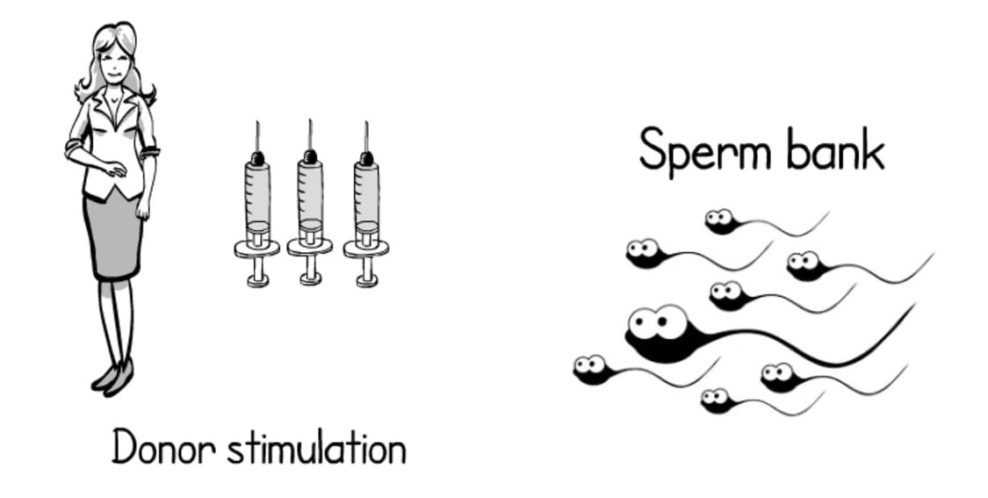
The idea is simple, but the process is handled with great care. First, doctors find a suitable donor who is healthy, responsible, and willing to help. The donor goes through medical tests, health check-ups, and screenings. These checks make sure her eggs are safe and strong. After that, doctors collect the eggs gently through a small medical procedure. These eggs are then fertilised in a laboratory using the father’s sperm or donor sperm. When a healthy embryo forms, it is placed inside the intended mother’s womb so she can become pregnant.
What makes egg donation special is the teamwork involved. The donor, doctors, nurses, and the receiving family all work together with trust and respect. Egg donation is not just a medical step; it is an emotional journey full of hope. It allows families who once felt uncertain about their future to see a bright new path. With modern science and caring donors, egg donation gives many parents the chance to build the family they have always dreamed of.
Types of fertility donation in Spain
Fertility donations are different ways through which people can receive help in building their families when natural conception becomes difficult. Each type of donation plays a unique role, and understanding them makes the process feel easier and more comfortable.
1. Egg Donation in Spain
Egg donation in Spain involves a healthy woman donating her eggs to help intended parents create embryos. This option is commonly chosen when a woman cannot use her own eggs because of age, medical issues, or genetic conditions. The donor’s eggs are fertilised in the lab and then transferred to the intended mother or a surrogate.
2. Sperm Donation in Spain
Sperm donation is when a man donates his sperm to help individuals or couples who need support in achieving pregnancy. It is often used by single women, same-sex female couples, or families dealing with male infertility. Donor sperm is carefully tested to ensure good health.
3. Embryo Donation
Embryo donation happens when couples who have extra embryos from their IVF treatment choose to donate them to others. These embryos are transferred to another woman’s uterus. This option gives unused embryos a chance to grow into a healthy pregnancy and helps families who cannot create embryos on their own.
4. Surrogacy (Gestational Carrier)
In gestational surrogacy, a surrogate carries the pregnancy for the intended parents. The embryo is created using the intended parents’ or donors’ eggs and sperm, meaning the surrogate is not genetically related to the baby. This option is helpful when someone cannot carry a pregnancy safely.

Egg donor procedure in Spain
The following points describe the egg donor procedure in Spain:
Choosing a Trusted Clinic
The process begins by selecting a reliable fertility clinic. Spain has many well-known clinics with experienced doctors, modern technology, and supportive teams who explain every step clearly.
Initial Consultation
Intended parents have an online or in-person consultation where the doctor discusses medical history, expectations, timelines, and treatment plans. This step helps patients understand everything comfortably before moving forward.
Donor Selection
Clinics provide detailed donor profiles with information about health, physical traits, education, lifestyle, and personal characteristics. Donors in Spain stay anonymous, and clinics carefully match them based on the intended parents’ preferences.
Medical Screening of the Donor
The chosen donor undergoes thorough medical tests, including genetic screening, hormone checks, physical exams, and psychological evaluations. This ensures the donor is healthy and suitable for the process.
Legal Guidance
Clinics in Spain guide intended parents through simple and clear legal steps. The laws protect both sides and ensure donors remain anonymous, making the process safe and hassle-free.
Synchronisation of Cycles
The donor’s cycle and the intended mother’s (or surrogate’s) cycle are aligned through medications. This allows the embryo transfer to happen at the right time.
Egg Retrieval
When the donor’s eggs are ready, doctors perform a short, safe procedure to retrieve them. The donor is cared for throughout and monitored closely.
Fertilisation and Embryo Development
The eggs are fertilised in the lab. The embryos grow for a few days, and the healthiest ones are chosen for transfer.
Embryo Transfer
The final step is transferring the embryo to the intended mother or surrogate. It is a simple, painless procedure, followed by routine monitoring.
Who Can Be an Egg Donor?
Egg donors must meet certain medical and personal criteria to ensure they are healthy and suitable for donation:
- Age between 21 and 32
- Physically and mentally healthy
- Non-smoker and non-drug user
- Healthy BMI
- No genetic disorders or serious medical history
- Willing to undergo medical and psychological screening
Donors must also be committed to the entire process, including taking hormone injections and attending multiple clinic visits.
Advantages of an Egg Donor
Egg donor offers a range of significant benefits to individuals and couples facing fertility challenges, helping them realise their dreams of parenthood. Here are some of the key advantages:
1. Increased Chance of Pregnancy
Using eggs from a young and healthy donor significantly improves the chances of successful fertilisation and embryo development. Donor eggs typically come from women aged between 21 and 32, whose eggs are of high quality, resulting in higher pregnancy rates compared to using the recipient’s own eggs, especially in cases of advanced maternal age or diminished ovarian reserve.
2. Overcoming Infertility Causes
Egg donors are particularly beneficial for women with premature ovarian failure, poor egg quality, or genetic conditions that make natural conception or IVF challenging. It bypasses these issues by providing healthy, viable eggs, enabling pregnancy where it otherwise might be impossible.
3. Reduced Risk of Genetic Disorders
For couples with hereditary diseases or genetic mutations, using donor eggs can greatly reduce the risk of passing these conditions to their children. This helps in ensuring the birth of a healthy baby free from specific inherited disorders.
4. Option for Same-Sex Couples and Single Men
Egg donor allows same-sex male couples and single men to have a biological connection to their child, combined with the use of a gestational surrogate. This expands the possibilities of parenthood beyond traditional methods.
5. Access to Multiple Embryos
Often, multiple eggs are retrieved from a donor and fertilised, producing several embryos. This allows recipients to freeze unused embryos for future cycles, reducing the need for repeated egg retrievals and lowering treatment costs and physical demands.
6. Emotional and Psychological Benefits
For many recipients, egg donation brings hope and joy, helping to overcome the emotional pain of infertility. It opens a path to parenthood where other options may have failed, providing immense psychological relief and fulfilment.
Egg Donation Cost in Spain
When people cannot have a baby on their own, doctors sometimes help them by using an egg donor. An egg donor is a healthy woman who gives her eggs so another family can have a child. Spain is one of the most popular places for this process because the clinics there are experienced, kind, and follow strict rules. But before starting the treatment, many families want to know how much it will cost.
Egg donor cost in Spain is not the same everywhere. It can change depending on the clinic, the city, and the type of treatment the family chooses. Usually, the price includes many things, checking the donor’s health, taking care of the eggs, preparing the mother’s body, and doing the IVF procedure. Some clinics also include medicines, blood tests, and extra services that make the process smoother.
Most families spend around a medium to high amount of money because the treatment involves many steps and a team of specialists, including doctors, nurses, and laboratory experts. Donors are also fairly paid for their time, effort, and the medical visits they have to attend. All of this adds to the total cost. So, the amount that the egg donor receives in Spain is around €800 to €1,100. If you take an egg donor with a treatment cycle, then it’s cost would be around €4000 to €11,000.
In our opinion, it’s an affordable price for infertile couples. Even if the price may seem high for you, many families still choose Spain because the success rates are good, the donors are carefully selected, and the laws protect everyone involved. Families feel safe and supported. So the cost is not only for the treatment but also for peace of mind and good quality care. When people understand what is included, they feel more confident about the process.
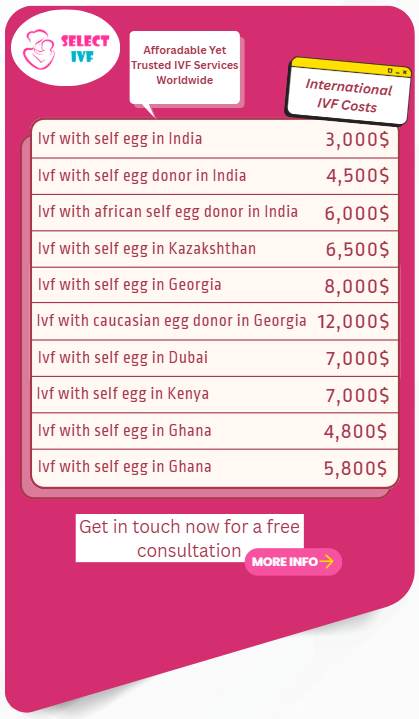
How much does IVF with an egg donor cost in Spain?
IVF with an egg donor means that a donated egg is fertilised with the father’s sperm in a lab, and then the embryo is placed inside the mother’s womb. In Spain, this treatment is well-known and trusted. Many people from around the world travel there because the clinics have modern technology and helpful medical teams. But the question everyone asks first is: “How much does IVF with an egg donor cost in Spain?”
In Spain, the price for IVF with an egg donor usually includes several important steps. First, the clinic finds a suitable donor who is healthy and matches certain physical features. Then doctors give the donor special medicines so her body produces mature eggs. After that, the eggs are collected safely by doctors. These eggs are mixed with the father’s sperm in a clean and controlled laboratory. When healthy embryos grow, one is placed inside the mother.
All these steps require skilled doctors, high-quality equipment, and careful monitoring. That is why the cost is higher compared to regular IVF. Normally, the range is medium-high, depending on whether the family needs fresh donor eggs, frozen eggs, extra tests, or additional treatments like genetic screening.
Some clinics offer packages that include everything from the first visit to the pregnancy test. Others charge separately for medicines or extra services. Families should always ask for a clear price breakdown so they understand what they are paying for.
Even though the cost may seem high, many families choose Spain because of its strong medical standards, friendly staff, and high success rates. They feel confident knowing the process is safe and well-organised. So the cost is not only about money, it is about receiving careful and trustworthy treatment.
The following table helps you to understand the cost of an egg donor in Spain:
| Package type | Cost in USD |
| Basic egg donor cost in Spain | Around $4000 |
| Standard egg donation package in Spain | Around $5500 |
| Premium egg donation package in Spain | Around $10,000 |
This table helps you to know the cost of the top fertility centres that provide the best egg donors in Spain:
| Clinic name | Basic package cost | Premium Package cost | Success rates |
| Select IVF | Arond $5500 | Around $8000 | High success rate around 80 to 98% |
| Clinica Tambre | Around $6000 | Up to $9560 | Up to 68% |
| IVI Madrid | Around $5800 | Up to $10,000 | Up to 70% |
| Instituto Bimabeu | Around $5900 | Up to $8500 | Up to 80% |
| UR Vistahermosa | Around $6100 | Up to $8900 | Up to 81% |
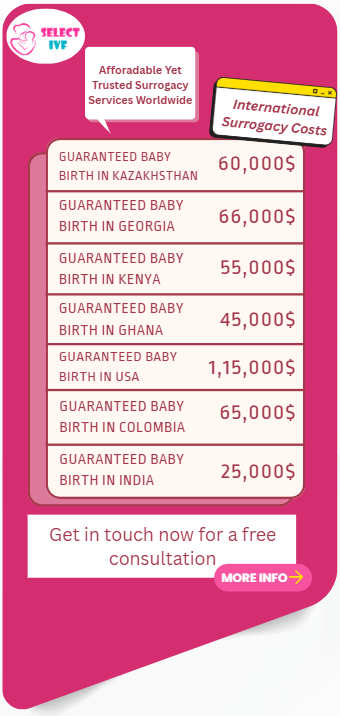
The table that tells you the cost of an egg donor in different countries:
| Egg donors in different countries | Cost of egg donors in different countries |
| Egg donor in Brazil | Up to $7000 |
| Egg donor in Chile | Up to $6500 |
| Egg donor in Colombia | Up to $6000 |
| Egg donor in Uruguay | Up to $6500 |
| Egg donor in Thailand | Up to $6000 |
Factors affecting the cost of IVF with an egg donor in Spain
The cost of IVF with an egg donor in Spain can change from family to family. This happens because several factors affect the total price. Understanding these factors makes everything clearer and helps families plan better.
One important factor is the type of eggs being used. Fresh donor eggs usually cost more because a donor has to take medicines, attend check-ups, and undergo the egg collection procedure. Frozen donor eggs can be slightly less expensive because they are already stored and ready to use.
Another factor is the clinic location. Clinics in large cities like Madrid or Barcelona may charge more because they have higher operating costs and offer advanced facilities. Smaller cities can be a bit more affordable.
The number of treatments needed also affects the cost. Some women may need extra medicines to prepare their bodies. Others may require embryo freezing, extra scans, or additional tests. Each extra service adds to the total amount.
The donor selection process also matters. Clinics follow strict rules and check the donor’s medical history, physical health, psychological health, and genetic background. This careful screening makes the process safe but increases the cost.
Some families choose treatments like genetic testing of embryos (PGT) to check for genetic issues. This test is optional, but it can raise the price.
Lastly, medical care and support from the clinic also contribute. This includes counselling, nursing care, follow-up visits, and lab services.
When all these factors are combined, the final cost becomes clearer. Families should always ask the clinic for a detailed explanation so they understand how each part contributes to the total amount.
Egg donor in Spain age limit
In Spain, egg donation is carefully regulated to make sure the process is safe for both the donor and the family receiving the eggs. One of the most important rules is the age limit for egg donors. Spain keeps this limit for medical reasons, not personal ones.
Women who want to donate eggs must normally be between 18 and 35 years old. This age range is chosen because younger women have healthier, stronger eggs, which increases the chances of a successful pregnancy. Women under 18 are not allowed because they are still minors and cannot make medical decisions on their own. Women above 35 may have a lower number of healthy eggs, so the law sets the limit to protect families from reduced success rates.
Doctors also check many things before accepting someone as a donor. They look at her physical health, emotional well-being, genetic background, and personal medical history. Even if a woman is the right age, she must pass all tests to make sure she is healthy enough to donate.
The age limit also helps keep the process fair and organised. It ensures that families receive eggs from donors who are in their healthiest years. This gives the family a better chance of having a healthy baby.
Spain takes this rule seriously because egg donation is a big responsibility. Donors must attend medical appointments, take hormone injections, and go through the egg collection procedure. Being within the correct age range ensures the donor’s body can handle all steps safely.
So, the age limit is not just a number; it is a rule made to protect everyone involved and ensure the treatment has the best chance of success.
Egg donor law in Spain
Egg donation in Spain follows strong and clear laws designed to protect the donor, the parents, and the future child. These laws make Spain one of the most trusted places for fertility treatments. Understanding these rules helps families feel safe throughout their journey.
In Spain, egg donation is completely anonymous. This means that the family receiving the eggs does not know the donor’s identity, and the donor does not know the family or the child. Only the clinic keeps this information for medical reasons. This rule protects the privacy of both sides.
Another important law is that egg donation must be voluntary and unpaid, except for compensation. Donors do not sell their eggs. The money they receive is only for their time, travel, effort, and the discomfort they may experience during the medical process. This ensures the system is fair and ethical.
The law also requires strict medical testing. Donors must be physically healthy, mentally stable, and free from genetic or infectious diseases. Doctors use this rule to ensure the future baby has the best possible start in life.
Spain also limits the number of children that can be born from one donor to avoid too many children sharing the same biological source in one country. This keeps things safe and balanced.
Clinics must follow all rules, keep proper records, and treat every family with respect and care. Because of these laws, families choosing egg donation in Spain feel secure knowing the system is monitored and trustworthy.
How to choose the best egg donor in Spain?
Choosing an egg donor is a big decision for any family, and Spain makes this process safe and simple with clear rules and careful screening. Still, families often wonder how to pick the best donor. The good news is that clinics do most of the work, but there are a few things families should understand.
First, the donor must be healthy. Clinics in Spain check the donor’s medical history, physical health, mental well-being, and genetic background. A good donor is someone who passes all these tests. Families don’t choose this part; the clinic experts decide based on health and safety.
Second, families often want a donor who looks somewhat similar to them. In Spain, the clinic matches donors based on physical traits like skin tone, hair colour, height, and eye colour. This helps the baby blend naturally into the family.
Another thing to consider is the donor’s age. Younger donors, usually between 18 and 35, have healthier eggs. The clinic selects donors in this age range to make sure the chance of success is high.
Some families want to know about the donor’s education, hobbies, or personality. While Spain keeps identity private, clinics sometimes share general information like interests or talents. This helps families feel more connected to the process.
Lastly, trust the clinic. Spanish clinics have experienced doctors and strict laws that guide every step. They choose the donor who gives the best chance for a healthy pregnancy.
Choosing a donor is not about finding a “perfect person.” It is about finding someone healthy, responsible, and medically suitable so the family can safely move forward on their journey.
Why opt for Select IVF?
We understand how difficult it is to select the best option for your infertility treatment, but do not get tense, as one of the best options is going to be suggested to you, where the patient collaborates with highly experienced and qualified doctors. The patient will find it comfortable as the staff will always stand by them, away from all the worries that come to their mind. We offer all types of infertility treatment, so contact us today! To start, consider the following factors while selecting a location:
i. The patient-focused assistance of the centre
ii. Professionals with extensive education and experience
iii. Infrastructure that is well-built for maximum comfort and happiness
iv. The entire medical staff treats you with respect
v. Assists you throughout the entire process from the beginning
vi. Offers transparent fees and processes
You have the option of choosing egg donor for all of these! So, reach out to us at +91- 9899293903 | Email ID: info@www.selectivf.com
👇👇👇 Want Get Pregnant at any Age? Feel Free to Book Appointment 👇👇👇
Conclusion
An egg donor in Spain is a beautiful example of how science and kindness can come together to help families. It gives hope to people who once believed they could never experience pregnancy or hold their own baby.
With the help of a caring donor and skilled doctors, many families get a new chance to grow and welcome a child into their lives. This process is not just about medicine, it is also about trust, support, and the dream of becoming parents.
The journey of egg donation includes careful steps. Donors are selected with great attention to their health and well-being. Clinics follow strict rules to make sure everything is safe, fair, and respectful for everyone involved.
Families feel comforted knowing that their donor is healthy, the treatment is supervised by experts, and the laws protect their privacy and rights. This creates a safe environment where parents can focus on their happiness and hope instead of fear.
Egg donation also teaches us that families can be created in many different ways. What truly matters is the love, care, and bond that grows between parents and their child. A baby born through egg donation is just as loved and cherished as any other child. The method may be different, but the joy is the same.
In the end, egg donation is a journey of courage and generosity. It opens doors for families who are longing for a child and gives them a chance to experience one of life’s greatest joys. With modern treatment, supportive clinics, and thoughtful egg donations, egg donor cost in Spain continues to become affordable, bringing light, happiness, and new beginnings to families around the world.
FAQs (Frequently Asked Questions)
Why is egg donation expensive in Spain?
Egg donation includes many steps, like donor screening, medicines, egg collection, lab work, and embryo transfer. Each step needs skilled doctors and modern equipment, which increases the total cost.
Does the price include medicines?
Some clinics include all medicines in the main package, while others charge separately. Families should always ask for a clear price list so they know what is included.
Are fresh donor eggs more expensive than frozen donor eggs?
Yes, fresh donor eggs usually cost more because the donor needs to take medicines and visit the clinic for check-ups. Frozen eggs are already stored and ready to use, so they can be a bit less costly.
Do clinics offer packages?
Many clinics offer full packages that include everything from donor selection to embryo transfer. These packages help families avoid surprise charges.
Can the cost change depending on the city?
Yes. Clinics in big cities like Madrid or Barcelona may charge higher prices because they have advanced facilities and higher operating costs.
Does the donor get paid for this cost?
The donor receives compensation for her time, effort, and medical visits. This is included in the total cost, but it is not a “payment”, it is a fair compensation.
Is it illegal to have a surrogate in Spain?
Yes, surrogacy is not allowed in Spain. Whether it is altruistic or commercial surrogacy. If someone practices surrogacy there, then it will be against the law, and they will be considered as culprits who violate the rule. Surrogacy is considered a form of violence which is done against women (the intended mother and surrogate). It’s an attack on the dignity of both child and surrogate mother.
Read More:-