The egg donor cost in Argentina has become an important topic for many individuals and couples who are looking for safe, affordable, and high-quality fertility treatment. Argentina has earned a strong reputation in the fertility world because it offers advanced medical care at prices that are often much lower than those in the United States, Canada, or parts of Europe. For many intended parents, this balance of excellent treatment and reasonable cost brings a sense of relief and confidence, especially during a journey that can already feel emotional and overwhelming.

What makes Argentina stand out is the transparency and structure of its fertility programs. Most clinics provide detailed packages that include donor screening, medical evaluations, medications, laboratory procedures, and embryo development. This helps families understand exactly where their money is going and prevents unexpected or hidden expenses. Instead of navigating complex pricing systems, intended parents can plan their budgets clearly and focus more on the emotional and hopeful side of their journey.
Argentina’s fertility specialists also bring years of experience and knowledge to the process. Patients often appreciate how clinics guide them step-by-step, explaining costs in simple terms and helping them make decisions that fit both their needs and their financial comfort.
Combined with supportive laws, professional teams, and a warm cultural atmosphere, Argentina has become a trusted destination for anyone exploring egg donation. The cost is not just about money; it reflects the country’s commitment to providing accessible, respectful, and high-standard fertility care.
What is an egg donor?
An egg donor is a healthy woman who chooses to donate her eggs to help someone else start or grow a family. Many people turn to egg donors when they cannot use their own eggs due to medical conditions, age, or other fertility challenges. In simple words, an egg donor gives a very special gift, the chance for someone to experience parenthood.
Egg donors usually go through a careful screening process to make sure they are physically and emotionally healthy. This includes medical tests, genetic checks, and a short meeting with a counsellor. The goal is to ensure that the donor is well-prepared and fully understands the process.
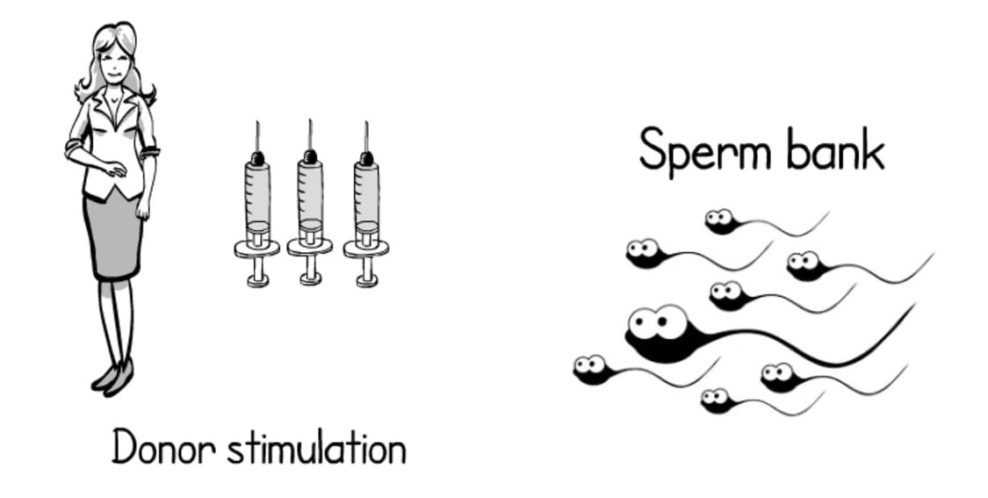
Once approved, the donor takes medications for a few days to help her ovaries produce multiple eggs. When the eggs are ready, doctors collect them through a safe and short medical procedure. These eggs are then fertilised in a lab to create embryos for the intended parents.
Egg donors remain anonymous in many countries, which keeps the process simple and respectful for both sides. Most donors choose to participate because they genuinely want to support others on their fertility journey.
In short, an egg donor is someone who plays a meaningful, generous role in helping people achieve their dream of becoming parents. Her contribution can bring joy, hope, and a new beginning to families who truly need it.

Types of fertility donation
Fertility donations are different ways through which people can receive help in building their families when natural conception becomes difficult. Each type of donation plays a unique role, and understanding them makes the process feel easier and more comfortable.
1. Egg Donation
Egg donation involves a healthy woman donating her eggs to help intended parents create embryos. This option is commonly chosen when a woman cannot use her own eggs because of age, medical issues, or genetic conditions. The donor’s eggs are fertilised in the lab and then transferred to the intended mother or a surrogate.
2. Sperm Donation
Sperm donation is when a man donates his sperm to help individuals or couples who need support in achieving pregnancy. It is often used by single women, same-sex female couples, or families dealing with male infertility. Donor sperm is carefully tested to ensure good health.
3. Embryo Donation
Embryo donation happens when couples who have extra embryos from their IVF treatment choose to donate them to others. These embryos are transferred to another woman’s uterus. This option gives unused embryos a chance to grow into a healthy pregnancy and helps families who cannot create embryos on their own.
4. Surrogacy (Gestational Carrier)
In gestational surrogacy, a surrogate carries the pregnancy for the intended parents. The embryo is created using the intended parents’ or donors’ eggs and sperm, meaning the surrogate is not genetically related to the baby. This option is helpful when someone cannot carry a pregnancy safely.
Egg donor procedure in Argentina
The following points describe the egg donor procedure in Argentina:
Choosing a Trusted Clinic
The process begins by selecting a reliable fertility clinic. Argentina has many well-known clinics with experienced doctors, modern technology, and supportive teams who explain every step clearly.
Initial Consultation
Intended parents have an online or in-person consultation where the doctor discusses medical history, expectations, timelines, and treatment plans. This step helps patients understand everything comfortably before moving forward.
Donor Selection
Clinics provide detailed donor profiles with information about health, physical traits, education, lifestyle, and personal characteristics. Donors in Argentina stay anonymous, and clinics carefully match them based on the intended parents’ preferences.
Medical Screening of the Donor
The chosen donor undergoes thorough medical tests, including genetic screening, hormone checks, physical exams, and psychological evaluations. This ensures the donor is healthy and suitable for the process.
Legal Guidance
Clinics in Argentina guide intended parents through simple and clear legal steps. The laws protect both sides and ensure donors remain anonymous, making the process safe and hassle-free.
Synchronisation of Cycles
The donor’s cycle and the intended mother’s (or surrogate’s) cycle are aligned through medications. This allows the embryo transfer to happen at the right time.
Egg Retrieval
When the donor’s eggs are ready, doctors perform a short, safe procedure to retrieve them. The donor is cared for throughout and monitored closely.
Fertilisation and Embryo Development
The eggs are fertilised in the lab. The embryos grow for a few days, and the healthiest ones are chosen for transfer.
Embryo Transfer
The final step is transferring the embryo to the intended mother or surrogate. It is a simple, painless procedure, followed by routine monitoring.
Who Can Be an Egg Donor?
Egg donors must meet certain medical and personal criteria to ensure they are healthy and suitable for donation:
- Age between 21 and 32
- Physically and mentally healthy
- Non-smoker and non-drug user
- Healthy BMI
- No genetic disorders or serious medical history
- Willing to undergo medical and psychological screening
Donors must also be committed to the entire process, including taking hormone injections and attending multiple clinic visits.
Advantages of an Egg Donor
Egg donor offers a range of significant benefits to individuals and couples facing fertility challenges, helping them realise their dreams of parenthood. Here are some of the key advantages:
1. Increased Chance of Pregnancy
Using eggs from a young and healthy donor significantly improves the chances of successful fertilisation and embryo development. Donor eggs typically come from women aged between 21 and 32, whose eggs are of high quality, resulting in higher pregnancy rates compared to using the recipient’s own eggs, especially in cases of advanced maternal age or diminished ovarian reserve.
2. Overcoming Infertility Causes
Egg donors are particularly beneficial for women with premature ovarian failure, poor egg quality, or genetic conditions that make natural conception or IVF challenging. It bypasses these issues by providing healthy, viable eggs, enabling pregnancy where it otherwise might be impossible.
3. Reduced Risk of Genetic Disorders
For couples with hereditary diseases or genetic mutations, using donor eggs can greatly reduce the risk of passing these conditions to their children. This helps in ensuring the birth of a healthy baby free from specific inherited disorders.
4. Option for Same-Sex Couples and Single Men
Egg donor allows same-sex male couples and single men to have a biological connection to their child, combined with the use of a gestational surrogate. This expands the possibilities of parenthood beyond traditional methods.
5. Access to Multiple Embryos
Often, multiple eggs are retrieved from a donor and fertilised, producing several embryos. This allows recipients to freeze unused embryos for future cycles, reducing the need for repeated egg retrievals and lowering treatment costs and physical demands.
6. Emotional and Psychological Benefits
For many recipients, egg donation brings hope and joy, helping to overcome the emotional pain of infertility. It opens a path to parenthood where other options may have failed, providing immense psychological relief and fulfilment.
Egg Donor Cost in Argentina
The egg donor cost in Argentina is considered more affordable compared to many other countries, which is one reason why many international patients choose to begin their fertility journey here. Prices can vary from clinic to clinic, but the overall cost usually includes medical procedures, donor compensation, screenings, medications, and laboratory work.
In most cases, the cost covers the entire donation cycle. This includes the donor’s medical tests, hormone evaluations, psychological screening, and genetic checks. Clinics also ensure donors receive proper care and guidance throughout the process. Because screening is detailed and carefully done, it helps intended parents feel confident about the donor’s health and suitability.
The price also includes the donor’s medications and the egg retrieval procedure, which is performed safely by experienced fertility specialists. After retrieval, the eggs are fertilised in the lab, and the embryos are monitored for a few days. These steps are usually part of the treatment package, giving intended parents a smoother experience without many extra charges.
Argentina offers high-quality fertility services at a cost that is often lower than in the United States or Europe, while still maintaining excellent medical standards. This balance of affordability and quality makes the country a trusted choice for many families.
Overall, the egg donor cost in Argentina is $6000 to $10,000, including IVF, medical care, donor support, legal guidance, and laboratory work, all combined to provide a complete and comfortable process for intended parents.
The following table helps you to understand the cost of an egg donor in Argentina:
| Package type | Cost in USD |
| Basic egg donor cost in Argentina | Around $6000 |
| Standard egg donation package in Argentina | Around $7500 |
| Premium egg donation package in Argentina | Around $9000 |
This table helps you to know the cost of the top fertility centres that provide the best egg donors in Argentina:
| Clinic name | Basic package cost | Premium Package cost | Success rates |
| Select IVF | Arond $5500 | Around $8000 | High success rate around 80 to 98% |
| WeFIV Assisted Reproduction | Around $6000 | Up to $9560 | Up to 68% |
| Fertility Argentina | Around $5800 | Up to $10,000 | Up to 70% |
| CIGOR Córdoba | Around $5900 | Up to $8500 | Up to 80% |
| Instituto Mendocino de Reproducción | Around $6100 | Up to $8900 | Up to 81% |
The table that tells you the cost of an egg donor in different countries:
| Egg donors in different countries | Cost of egg donors in different countries |
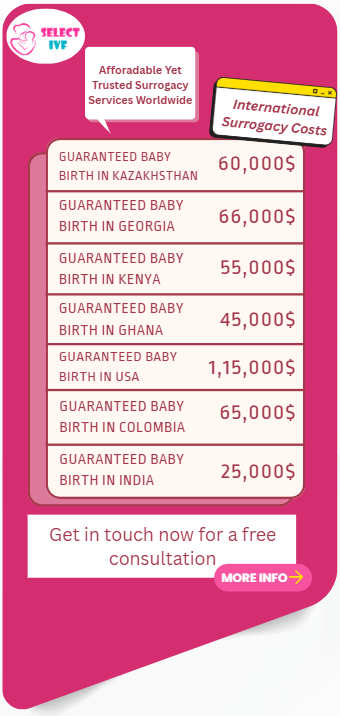
| Egg donor in Brazil | Up to $7000 |
| Egg donor in Chile | Up to $6500 |
| Egg donor in Colombia | Up to $6000 |
| Egg donor in Uruguay | Up to $6500 |
| Egg donor in Thailand | Up to $6000 |
Tips to manage egg donor cost in Argentina
Managing the egg donor cost in Argentina becomes easier when you plan your journey thoughtfully. With a few simple steps, intended parents can stay comfortable financially while still receiving high-quality care. Here are some helpful tips to make the process more manageable:
1. Compare Clinics Carefully
Different clinics offer different packages, and prices can vary. Take time to compare what each package includes: screenings, donor compensation, medications, and lab work. Choosing a clinic with transparent pricing helps avoid hidden expenses.
2. Ask About All-Inclusive Packages
Many clinics in Argentina offer complete packages that cover everything from donor screening to embryo creation. These packages are often more cost-effective than paying for each step separately.
3. Understand Medication Costs
Donor medications can be a significant part of the total cost. Ask the clinic if medication prices are included or if you need to budget them separately. Some clinics may also offer discounted pharmacy rates.
4. Choose Local Donors
Using a local Argentine donor can reduce travel and accommodation costs for the clinic, which may keep the overall price lower compared to importing donor eggs or choosing international donors.
5. Ask About Payment Plans
Some clinics provide flexible payment options. Spreading the cost over a few months can make the process easier and less stressful financially.
6. Avoid Unnecessary Add-Ons
Sometimes clinics offer additional services that may not be needed for everyone. Make sure you understand which extras are essential and which ones you can skip.
7. Plan Travel Smartly
If you are travelling from another country, book flights and accommodation in advance. Staying near the clinic can also help reduce transportation costs.

What are the legal rules regarding egg donors in Argentina?
The legal rules regarding egg donation in Argentina are clear, supportive, and designed to protect both the donor and the intended parents. These laws help make the process smooth and stress-free for anyone choosing fertility treatment in the country. Here are the main points:
1. Egg donation is completely legal
Argentina allows egg donation, and the process is regulated under national reproductive laws. This gives intended parents a safe and reliable legal framework to follow.
2. Donor anonymity is protected
Egg donors remain anonymous by law. Their identity is not shared with intended parents, and intended parents’ information is also kept private. This rule keeps the process respectful and simple for everyone involved.
3. No genetic rights over the child
A donor has no parental rights or responsibilities towards the child born from her eggs. The intended parents are recognised as the legal parents from the moment the baby is born.
4. Donors must be properly screened
Clinics are legally required to perform medical, psychological, and genetic screenings. This ensures that donors are healthy and understand their role in the process.
5. Compensation is allowed but regulated
Donors can be compensated for their time and discomfort, but payment must be fair and not excessive. The goal is to support the donor, not encourage commercial exploitation.
6. Clear consent is required
Both the donor and the intended parents must sign informed consent documents. This confirms that everyone fully understands the procedure and legal responsibilities.
7. Clinics must follow ethical guidelines
Fertility clinics in Argentina operate under strict ethical and medical rules to ensure safety, transparency, and respect for all parties.
Why choose Argentina for egg donation?
Choosing Argentina for egg donation has become increasingly popular because the country offers a warm, supportive, and reliable environment for intended parents. Many people feel comfortable starting their fertility journey here because the process is well-organised and handled with great care.
One of the biggest reasons is the high quality of medical care. Fertility clinics in Argentina follow advanced medical standards and are known for their experienced doctors, modern technology, and careful screening procedures. Patients often appreciate the time clinics spend on clear communication, proper guidance, and emotional support throughout the process.
Another major benefit is affordability. Compared to many other countries, fertility treatments in Argentina are more cost-friendly, without compromising on quality. This makes the journey less stressful, especially for international patients who want good medical care at a reasonable price.
People also choose Argentina because of its strong legal framework for egg donation. The laws are supportive and designed to protect both the donor and the intended parents. Donors remain anonymous, which helps keep the process simple and private. Intended parents feel secure knowing that the legal guidelines are clear and easy to follow.
Argentina is also known for its diverse population. Donors come from various backgrounds, so intended parents can find matches that fit their preferences, whether it is physical features, personality traits, or lifestyle.
Lastly, the kindness and hospitality of the people make a big difference. Many international patients feel welcomed and comfortable during their stay, which adds emotional ease to an already sensitive journey.
Overall, Argentina combines medical excellence, affordability, legal clarity, and a caring atmosphere, making it a trusted and comforting choice for egg donation.
How to choose the best egg donor in Argentina?
Choosing the best egg donor in Argentina is an important and personal decision, and taking a thoughtful approach can make the whole process easier and more comforting. Argentina is known for its supportive fertility services, and with the right guidance, you can find a donor who matches your needs and feels right for you.
The first step is to choose a reliable fertility clinic or agency. A good clinic will have clear procedures, transparent communication, and proper legal guidance. They should also give you detailed profiles of donors, so you can understand their background, health, and lifestyle.
Health history is one of the most important things to look at. A suitable egg donor should have a clean medical record, no genetic disorders, and overall good physical and mental health. Most clinics in Argentina carefully screen donors, but it is still helpful to review everything yourself and ask questions if something feels unclear.
Many people also consider physical characteristics, like height, complexion, or eye colour, especially if they want a donor who resembles them or blends well with their family. Personal traits can also matter; education, hobbies, personality, and values can help you feel a deeper connection.
It is also important to check the donor’s past donation history, if available. A donor who has previously helped someone achieve a successful pregnancy can give extra confidence, though first-time donors can be equally wonderful.
Finally, trust your comfort level. The “best” donor is not just someone who looks perfect on paper, but someone whose profile makes you feel peaceful, hopeful, and secure. Choosing an egg donor is a meaningful decision, and taking your time helps ensure you find the right match.
Egg donation success rate in Argentina
Egg donation success rates in Argentina are one of the reasons why the country has become a popular choice for fertility treatment. Clinics in Argentina are known for combining modern medical technology with experienced specialists who carefully guide intended parents through each step of the process. Success rates are influenced by several factors, including the quality and health of the egg donor, the fertility of the intended mother or surrogate, the laboratory techniques used, and the overall care provided by the clinic.
In general, Argentina reports high success rates for egg donation, often comparable to or even better than rates seen in many other countries. One reason is the thorough screening of egg donors, which ensures that only healthy women with strong fertility potential participate in the program. Donors undergo medical, genetic, and psychological evaluations, and their eggs are carefully monitored during stimulation cycles. Clinics also use advanced laboratory techniques for fertilisation and embryo development, increasing the chances of successful implantation and pregnancy.
Another factor contributing to high success rates is personalised care. Fertility specialists in Argentina often tailor treatment plans to match the specific needs of each intended parent. They synchronise donor and recipient cycles carefully, monitor hormone levels, and provide guidance on lifestyle and health factors that can improve outcomes. Additionally, many clinics use all-inclusive programs that reduce stress and confusion, allowing families to focus on the emotional journey rather than worrying about logistics.
Overall, the egg donation success rate in Argentina reflects a combination of medical expertise, donor quality, advanced technology, and patient support. Families choosing Argentina for fertility treatment can feel confident that they are receiving professional, attentive care, and that their chances of achieving a successful pregnancy are among the best available.
Why opt for Select IVF?
We understand how difficult it is to select the best option for your infertility treatment, but do not get tense, as one of the best options is going to be suggested to you, where the patient collaborates with highly experienced and qualified doctors. The patient will find it comfortable as the staff will always stand by them, away from all the worries that come to their mind. We offer all types of infertility treatment, so contact us today! To start, consider the following factors while selecting a location:
i. The patient-focused assistance of the centre
ii. Professionals with extensive education and experience
iii. Infrastructure that is well-built for maximum comfort and happiness
iv. The entire medical staff treats you with respect
v. Assists you throughout the entire process from the beginning
vi. Offers transparent fees and processes
You have the option of choosing egg donor for all of these! So, reach out to us at +91- 9899293903 | Email ID: info@www.selectivf.com
👇👇👇 Want Get Pregnant at any Age? Feel Free to Book Appointment 👇👇👇
Final words
The egg donor cost in Argentina reflects much more than just a price tag; it represents a complete, carefully guided, and supportive fertility journey. With transparent packages, professional medical care, thorough donor screening, and a warm, welcoming environment, intended parents can feel confident and secure throughout the process.
The combination of affordability and high-quality services makes Argentina a preferred choice for many families from around the world. By planning carefully, understanding the costs involved, and choosing the right clinic, intended parents can focus on the most important part of the journey: the hope, joy, and excitement of building their family.
FAQs (Frequently Asked Questions)
Which country has the cheapest egg donors?
Argentina has the cheapest egg donors compared to the world. Here, egg donors are affordable and ensure high success for treatment. Various fertility centres are available in Argentina that keep the database of the best egg donors that are affordable and ensure the best quality work.
How much does IVF cost in Argentina?
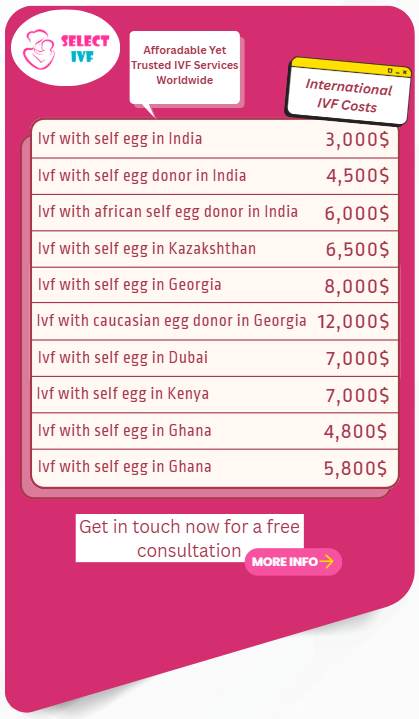
The cost of IVF in Argentina depends on multiple factors, including the medical expenses that include the screening, testing, egg retrieval, and egg transfer. Emotional and psychological support is also included in the cost of IVF. Medications and consultation are included. So the IVF cost in Argentina is around $6000 to $10,000.
Can the recipient choose the donor?
Yes, many fertility clinics provide profiles of available donors, including physical characteristics, education, interests, and medical history. Recipients can select a donor based on their preferences.
Is IVF legal in Argentina?
Yes, IVF is legal in Argentina for those having the issue of infertility or for those who want to preserve their eggs and want a baby in the future.
Is egg donation safe for the donor?
Egg donation is considered safe when performed under medical supervision. However, donors may experience side effects from hormone stimulation, such as mood swings, bloating, or in rare cases, ovarian hyperstimulation syndrome (OHSS). The egg retrieval procedure is minimally invasive but carries small risks like infection or bleeding.
Which country has successful egg donors?
Argentina has successful egg donors who can guarantee you success in the IVF. Their egg donors meet the required eligibility criteria, which include an age between 18 to 32 years, good mental and physical health, and they must not consume smoking, drinking or tobacco. Moreover, they must not have any infectious or genetic disease that can cause issues for the child.
Read Also: