IVF has become a major medical option for aspiring parents in Afghanistan that want to start a family but are struggling with infertility issues. Motherhood is a very big deal in Afghanistan with emotional and cultural ramifications. However, this isn’t something that couples always do easily. Some medical issues include blocked fallopian tubes, low sperm counts, hormonal disbalances, PCOS, and various other unexplainable medical issues that occur more often than you’d think. Fortunately, IVF is a medical procedure that helps with such issues.
The field of medicine in Afghanistan is extremely limited, but it is slowly starting to improve in various sections, and IVF in Afghanistan has been one of the medical sections that people are paying more attention to. In the past, you would have had to go to other countries such as India, Iran, Turkey, and Pakistan to access IVF and other forms of advanced reproductive technology. This would incur a lot of costs, straining the budget, and lengthy travel.
Today, the work of many Fertility Specialists, IVF centres, and Gynaecologists in Afghanistan has access to affordable IVF. Unlike many other cities in Afghanistan that have complete and modern facilities, smaller cities have still been making positive, fascinating advancements in health facilities.
The price of IVF in Afghanistan also depends on the clinic, technology, medication that is used, if there are other procedures that are included, and if the procedure done is ICSI, which is Intracytoplasmic Sperm Injection, or if embryonic stem cells are used for research that are going to be donated.
What is IVF?
IVF is also known as In Vitro Fertilisation because it refers to medical steps you can take if having a baby is proving to be difficult. In other words, IVF is the process of creating embryos (the earliest form of a baby) in a lab. Once that is done, doctors can implant the embryo into the woman’s uterus so that it can develop as it would in a normal pregnancy.
IVF can help with many issues that some couples have, such as blocked fallopian tubes, abnormal ovulation, lower-than-normal sperm counts, or unexplained infertility problems. It can also be used by parents who are single or in same-sex relationships who are looking to have a child with the help of a sperm donor.
On average, the process of IVF will take around 3 to 6 weeks to complete and is done by professionals with training and the latest technology. It does not guarantee a baby, but it has worked for over a million people worldwide.
If having a baby is proving to be difficult, you should consider trying IVF. In cities such as Afghanistan, IVF is both high-quality and low-cost.

Why is IVF done?
IVF is done to help individuals and couples who have difficulty conceiving achieve pregnancy. During the infertility assessment, a combination of factors may be identified that indicate infertility is present, including factors relating to the woman, the man and both. The demand for IVF is rising in Afghanistan as more couples begin to take up more modern forms of treatment for their infertility.
IVF in Afghanistan is usually suggested for the following reasons:
- Blocked Or Damaged Fallopian Tubes: Natural conception is not possible when a female has blocked or damaged fallopian tubes. In IVF, the tubes are completely bypassed as the egg is fertilised outside the body and the embryo is transferred directly into the uterus.
- Male Infertility: A man may have difficulty conceiving a pregnancy due to a low volume of sperm, poor movement of sperm in the semen (Motility), sperm that are abnormally shaped, or sperm that are absent. The use of IVF and ICSI (Intracytoplasmic Sperm Injection) is used to overcome these barriers.
- Problems With Hormonal Function Or Ovulation Disorders: There are conditions like PCOS Or Disorders of the thyroid that can keep a woman from ovulating regularly. In IVF, controlled ovarian stimulation is to be used to take out the mature ovarian follicles (Eggs) in order to fertilize them.
- General And Untreatable Infertility: Infertility can happen even when there are no obvious medical reasons. This is when IVF can provide the perfect contraceptive setting.
How to prepare for IVF treatment?
- Medical Consultation and Testing
Before moving forward with an IVF cycle, schedule a pre-IVF work-up appointment with a fertility specialist. Each partner will complete medical tests, including hormone tests, ovary reserve testing, semen analysis, and infectious disease testing. This allows the physician to customize an IVF treatment plan and optimize the chances of successful fertilization and a healthy embryo.
- Lifestyle Adjustments
Healthy lifestyle changes should be made several months, if not a year, prior to treatment. Immediately eliminate smoking and recreational drug use, as well as alcohol consumption. Incorporate a diet consisting of a healthy well-balanced diet with adequate color, vitamins, and proteins. Incorporate regular physical activity to help with weight management and stay within the target weight range. Relatively small changes can make a considerable difference.
- Mental and Emotional Preparation
IVF can be a highly emotional process. Mental notes should be made as a couple to prepare for this process. Support via counselling, meditation, and support groups can help manage this process. Communication with your partner is critical in order to provide emotional support to one another. Remaining positive and patient is important in order to cope with the stresses that will accompany this process.
- Medication and Hormonal Preparation
IVF in Afghanistan, physicians prescribe hormonal medicines that help the ovaries get stimulated to get ready to extract many eggs. There are strict instructions that the patients have to follow, such as taking prenatal vitamins and folic acid, to get the body ready for the pregnancy. Egg growth is the aim of the medication schedules, and adherence multiplies the chances of achieving success with the IVF cycle.
- Timing and Scheduling
Timing the IVF cycle is crucial in Afghanistan and the global practice because it is based on the menstrual cycle. Egg retrieval, embryo transfer, and other procedures must be done at the correct timing to avoid wasting the IVF cycle. For recovery and other appointments, proper planning down to the minute is essential, and patients are encouraged to take time off work to avoid stress, as the procedures and tasks are synced to hit the most productive points in the cycle.
- Financial Planning
Before starting the IVF journey, the financial planning of assisted reproductive technology in Afghanistan should be done. Many expenses have to be considered when budgeting. The aim is to decrease the expenses in the cycle. An option, of course, is to forego ICSI or embryo freezing, also the medications, and other procedures, so looking at the stress of expenses, it is very important to plan so that there is financial convenience in budgeting for a focus on treatment without the culture of expenses influencing it.
How does IVF work?
IVF (In Vitro Fertilization) works by helping the egg and sperm meet outside the body in a controlled laboratory environment. Once fertilization happens and an embryo forms, the embryo is placed into the uterus to grow naturally into a pregnancy.
The process is completed in several organised steps:
1.Ovarian Stimulation
With IVF, the woman has to get hormone injections to get the ovaries to produce more than one egg instead of just one. This increases the chances of the egg(s) getting fertilized. During this time the doctors monitor egg growth and development by using ultrasounds and blood tests.
2. Monitoring and Egg Maturation
The doctor keeps track of the eggs development using ultrasounds and blood tests. Eggs must reach a certain size before a trigger injection is given to help the eggs to fully mature. Timing is crucial because eggs must be removed before the woman ovulates. This step makes sure the eggs are ready to be removed.
3. Egg Retrieval
The process of egg retrieval is easy. You receive light anesthesia, and while you are asleep, we insert a thin needle through the vaginal wall to get the eggs from the ovaries. It takes about 10-20 minutes, and most women do not feel anything. After the eggs are retrieved, they are sent to a lab where they are stored, and we check to see if they are mature.
4. Sperm Collection
The same day that we get eggs, we will get a sperm sample from the partner or donor. The lab processes the sample and chooses the sperm that are healthiest and most active. The strongest sperm are used in the IVF process because this increases the chance of having a successful fertilisation, access, and developing an embryo.
5. Fertilisation in the Lab
The process of fertilization takes place in a lab. First, the sperm are inserted into the eggs using the IVF method, where the sperm are mixed with the eggs, or using the ICSI method, where a single sperm is injected into each egg. The fertilized eggs are carefully monitored to make sure they are developing properly. This is the most important step, as it determines whether the eggs begin forming healthy embryos.
6. Embryo Development
After fertilisation, the embryos are placed in a controlled incubator that mimics the human body. Over three to five days, the cells divide and grow. Embryologists observe embryo quality to identify the best ones for transfer. Not all embryos continue developing, so careful selection is a key step.
7. Embryo Transfer
The healthiest embryo is transferred into the woman’s uterus using a soft catheter. This procedure is usually painless and does not require anaesthesia. Once transferred, the embryo must attach itself to the uterine lining for pregnancy to begin. Remaining embryos can be frozen for future attempts if needed.
About 10–14 days after embryo transfer, a blood test is done to check for pregnancy. Hormone levels are measured to confirm implantation. If the test is positive, the woman continues follow-up care with her doctor. If not successful, the frozen embryos may be used for another attempt.
IVF Process Step-by-Step
The following table describes the process of IVF in Afghanistan:
| Step | What Happens |
| 1. Consultation | Meet the fertility doctor. Basic tests are done to understand your body’s needs. |
| 2. Hormone Injections | Women take hormone injections for 10–12 days to produce multiple eggs. |
| 3. Egg Retrieval | Eggs are collected from the woman’s ovaries using a small needle (painless with light sedation). |
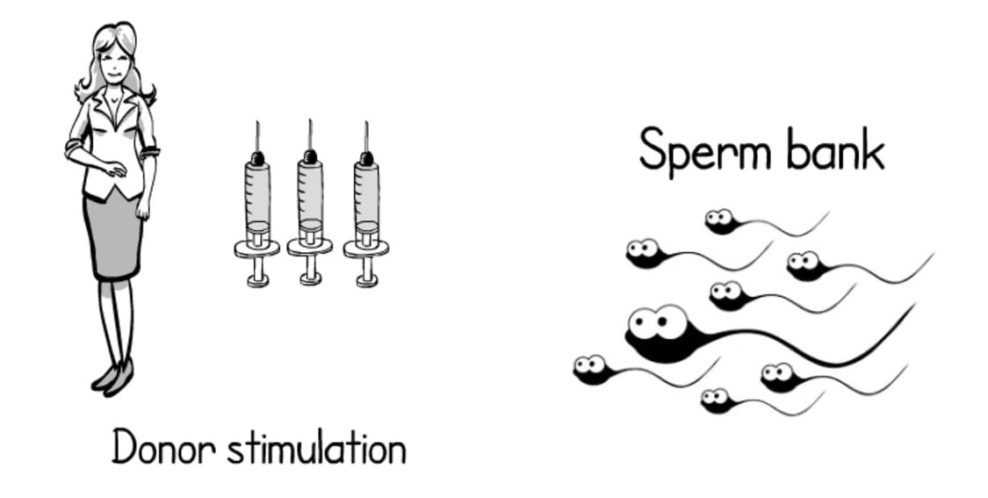
| 4. Sperm Collection | The male partner gives a sperm sample. Donor sperm can be used if needed. |
| 5. Fertilisation | Eggs and sperm are mixed in the lab. If fertilisation happens, embryos are formed. |
| 6. Embryo Culture | Embryos grow in the lab for 3–5 days. The best quality embryos are selected. |
| 7. Embryo Transfer | One embryo is placed into the woman’s uterus. It’s a simple and painless procedure. |
| 8. Pregnancy Test | After 10–14 days, a blood test is done to check if pregnancy has started. |
What is the IVF Cost in Afghanistan?
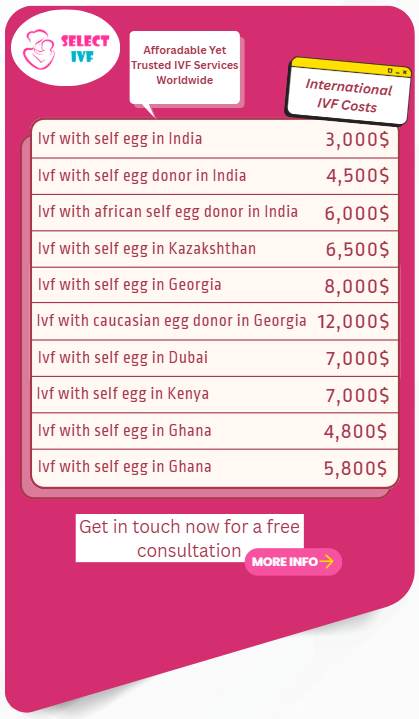
The Cost of IVF in Afghanistan depends on the clinic you choose, the technology available, the medications you need, and whether you need other procedures, like ICSI, donor sperm, donor eggs, or freezing embryos. Normally, the price for one cycle of IVF in Afghanistan is around $2,000 to $5,000. This price includes the consultations, hormonal injection medications, monitoring, egg retrieval, embryo insemination, and the transfer of the embryo.
The cost will go up the more procedures you need. For instance, ICSI is $500–$ 1,500 and is often needed in cases of male infertility. Also, for freezing and storing embryos, there are additional yearly fees for that.
In comparison to other bordering countries like India, Iran, and Turkey, Afghanistan is more affordable for IVF; however, the success rate may not be the same due to the medical resources available. Nevertheless, IVF in Afghanistan is a great means of hopeful parenthood for many couples facing infertility, and they don’t even have to leave the country
| Treatment/Service of IVF in Afghanistan | Cost Range of IVF in Afghanistan (USD) |
| Basic IVF Package | $5,500–$6,000 |
| IVF with ICSI | $4,000 – $6,000 |
| IVF with Egg Donation | $5,000 – $8,000 |
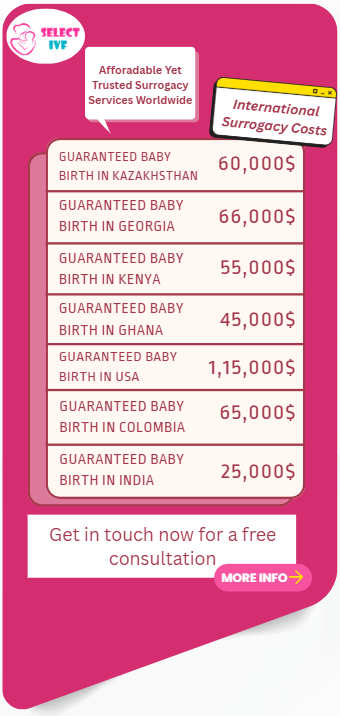
| IVF with Surrogacy | $25,000 – $40,000 |
| IVF Cycle (base cost) | $3,000 – $5,000 |
| Medications | $1,000 – $3,000 |
| ICSI (if needed) | $1,500 – $2,500 |
| Embryo Freezing & Storage | $500 – $1,500 per year |
The following is the table of expenses involved in the procedure of IVF packages at Select IVF Afghanistan:
| Other Countries | Cost Range (USD) |
| IVF Cost in India | 1,500 – 3,000 |
| IVF Cost in UAE (Dubai) | 4,000 – 7,000 |
| IVF Cost in USA | 12,000 – 15,000 |
| IVF Cost in Russia | 3,000 – 6,000 |
| IVF Cost in Turkey | 3,500 – 6,500 |
| IVF Cost in Ukraine | 2,500 – 5,000 |
Factors affecting the IVF cost in Afghanistan
The factors that influence the IVF cost in Afghanistan include the following:
Medical procedure charges: The IVF medical procedure starts from the consultation to the pregnancy test. The whole process is performed by the IVF specialist, and it costs an amount that can influence the IVF cost.
IVF clinic charges: These include the recognition of the clinic, the facilities offered by the clinic, the support and care, the use of the latest and advanced technology, etc. can influence the cost of IVF in Afghanistan.
Success rate: IVF clinics with high success rates charge more as compared to other IVF clinics.
IVF specialist: The experienced IVF specialist with a wealth of knowledge, experience and recognition charges more as compared to other IVF doctors.
Additional charges: These include the charges of IVF with the egg donor, sperm donor, PGD, ICSI, IUI, etc. The patient’s overall health condition and case complexity also influence the cost of IVF in Afghanistan.
What is the success rate of IVF in Afghanistan?
In Afghanistan, the success rate for IVF is around 80 to 97%. It all depends on factors like the age of the couple, especially women, the number of IVF attempts involved to achieve success of IVF, the usage of advanced technology and the latest techniques that can increase the success rate, and the experience and expertise of fertility doctors or IVF specialists.
The following table helps you to understand the success rate of IVF in Afghanistan:
| IVF treatment in Afghanistan | Success rates of IVF in Afghanistan |
| IVF with self-eggs | 60 to 90% |
| IVF with self-sperm | 65 to 86% |
| IVF with donor eggs | 70 to 85% |
| IVF with donor sperm | 73 to 87% |
| IVF with FET | 60 to 65% |
| IVF with ICSI | 50 to 85% |
The following table lets you understand the success rates based on age:
| The success rate of IVF based on age | The success rate of IVF in Afghanistan |
| women with age between 20 to 25 years | Up to 98% |
| women with age between 25 to 35 years | Up to 95% |
| women with age between 35 to 40 years | Up to 73% |
| women with age between 40 to 45 years | 40 to 70% |
| women aged between 45 to 50 years | 35 to 60% |
What influences the IVF success rate in Afghanistan?
The factors that influence the IVF success rate in Afghanistan include the following:
Woman’s age: The age of the woman can influence the success rate of IVF in Afghanistan. Women of younger ages have a higher chance of achieving pregnancy, while older women have a lower chance. As age increases, the quality of eggs decreases.
Advanced technology: The use of advanced reproductive technology can increase the success rate of IVF in Afghanistan.
Doctor’s expertise: The doctor’s expertise and skill can influence the success rate of IVF in Afghanistan. The higher the experience in the fertility industry, the higher the chances of conception through artificial insemination.
Patient’s overall condition: The patient’s health and overall personal condition can influence the IVF success rate.
The complexity of the case: The complexity of the case also matters the most when it comes to influencing the success rate of IVF in Afghanistan.
Number of IVF attempts: Sometimes it is not possible to get successful results on the first attempt of IVF. Multiple attempts are required to get successful results.

What should you consider when selecting the top IVF clinic in Afghanistan?
We understand how difficult it becomes to select the best option for your infertility treatment but do not get tense as one of the best options is going to suggest to you where the patient collaborates with highly experienced and qualified doctors. The patient will find it comfortable as the staff will always stand by them away from all the quarries that come to their mind. We offer all types of infertility treatment so contact us today! To start, consider the following factors while selecting a location:
i. The patient-focused assistance of the centre
ii. Professionals with extensive education and experience
iii. Infrastructure that is well-built for maximum comfort and happiness
iv. The entire medical staff treats you with respect
v. Assists you throughout the entire process from the beginning
vi. Offers transparent fees and processes
You have the option of choosing IVF for all of these! So, reach out to us at +91- 8447592299 | Email ID: info@www.selectivf.com
Why pick Select IVF for IVF in Afghanistan?
Several numbers of infertile couples trusted the select IVF for their bright future. We care for every patient who has issues of infertility. We understand the phase of infertility, and that’s why we want to assist you in your dream of achieving parenthood. The prices of IVF treatment are reasonable at our centre, we ensure the highest success rates, we keep transparency and ensure personalised care and support to our patients. Get the treatment from our clinic and make your life stress-free by hearing the giggling of your newborn.
Here’s why Select IVF is best for IVF treatment in Afghanistan:
- The high success rate of IVF and other infertility treatments
- Several infertility treatments for different infertility issues
- Use of cutting-edge technologies
- Equipped with highly skilled and educated doctors
- Affordable prices for IVF and other infertility treatments
- Ensures utmost comfort and support during the procedure
Conclusion
IVF in Afghanistan has emerged as a vital solution for couples struggling with infertility. With the availability of advanced reproductive technologies, skilled fertility specialists, and growing awareness, more couples now have hope to achieve parenthood. Proper preparation, understanding the process, and consulting experienced doctors significantly improve success rates. While costs and success rates vary depending on clinics, individual health, and treatment complexity, IVF remains one of the most effective fertility options in Afghanistan. With careful planning, emotional support, and adherence to medical guidance, couples can navigate the IVF journey successfully and fulfil their dream of starting a family.
Frequently Asked Questions (FAQs)
1. Is IVF safe in Afghanistan?
Yes, IVF in Afghanistan is generally safe when performed at certified fertility clinics. Experienced doctors and proper lab facilities ensure that the procedure is conducted with high medical standards. Minor side effects may occur due to medications, but serious complications are rare.
2. How long does an IVF cycle take?
A complete IVF cycle typically takes 4–6 weeks, including ovarian stimulation, egg retrieval, fertilization, embryo development, and embryo transfer. A pregnancy test is usually done 10–14 days after the transfer.
3. What factors affect IVF success in Afghanistan?
Success depends on factors such as the woman’s age, egg and sperm quality, underlying health conditions, type of IVF procedure, and clinic expertise. Lifestyle choices and overall health also play a role.
4. Are medications included in the IVF cost?
Some clinics include medications in the package, but others charge them separately. Medications are essential for ovarian stimulation and preparation for embryo transfer, and costs vary depending on dosage and type.
5. Can embryos be frozen for future use?
Yes, embryos that are not transferred can be cryopreserved for future IVF cycles. Embryo freezing allows couples to try multiple attempts without repeating ovarian stimulation, reducing both cost and stress.
6. Who can opt for IVF in Afghanistan?
IVF is suitable for couples facing infertility due to blocked fallopian tubes, male infertility, hormonal disorders, repeated miscarriages, or unexplained infertility. Single women or same-sex couples using donor gametes can also consider IVF.
Read Also: