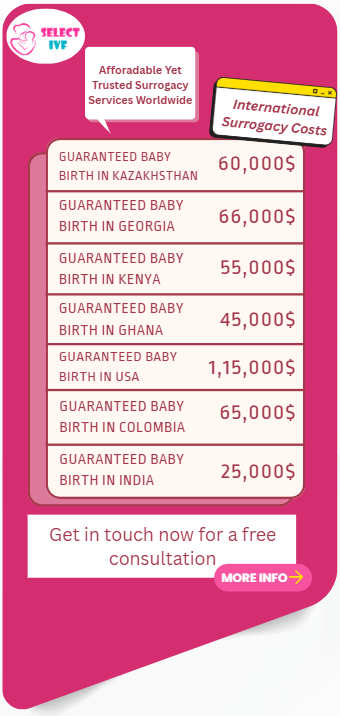
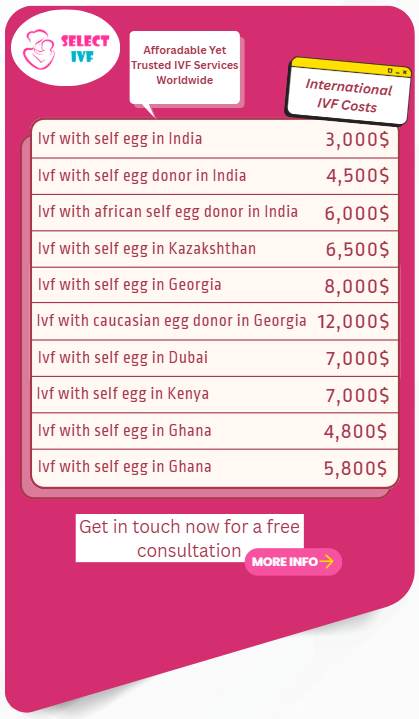
Becoming parents is a beautiful dream, but for many couples facing infertility, the journey can feel confusing, stressful, and emotionally draining. This is where IVF (In Vitro Fertilisation) becomes a powerful ray of hope. In recent years, India has become one of the most preferred destinations for fertility treatment, not only for Indian couples but also for people from around the world. The biggest reason behind this growing trust is the affordable IVF Treatment Cost in India, combined with advanced medical technology and experienced fertility specialists.
While IVF is an expensive procedure in most countries, India offers world-class treatment at a much lower price. Couples can expect to spend ₹1,00,000 to ₹2,50,000 for a single IVF cycle, which is significantly cheaper compared to Western countries, where IVF costs can reach up to ₹20 lakhs per cycle. This affordability, without compromising on quality, makes India a reliable and budget-friendly option for infertility care.
Moreover, Indian fertility clinics provide personalised care, modern laboratories, high success rates, and flexible EMI options that make treatment more accessible. Whether you are exploring IVF for the first time or comparing global prices, understanding the Free IVF Treatment in India helps you make a confident, informed decision about your fertility journey.
Free IVF Help in India
Free IVF treatment in India is possible because of generous charitable organisations and NGOs that work quietly but powerfully to support couples struggling with infertility. These groups try their best to reduce the financial burden of IVF, and sometimes, they even cover the full treatment cost.
Their goal is simple: to help couples achieve their dream of becoming parents. Many organisations don’t just support IVF procedures; some also assist with medicines, follow-up care, and other unexpected expenses that come along the way. So, if you meet their eligibility criteria, you can actually get IVF done at a highly reduced price or even completely free.
The eligibility rules for these programs usually depend on a few points: your medical history, income level, and the location where you’re receiving the treatment. But the heart of the mission remains the same: making fertility care accessible, affordable, and full of hope so that every couple gets a real chance to start their family.

What Is IVF?
IVF, or In Vitro Fertilisation, is a fertility treatment designed to help couples or individuals who cannot conceive naturally because of certain health or reproductive issues. IVF involves a series of carefully managed steps from preparing the eggs and sperm in the laboratory to placing a healthy embryo inside the uterus.
India is home to some of the best IVF clinics offering advanced lab technology, skilled doctors, and high success rates to improve the chances of a healthy pregnancy.
Here are the 5 simple stages of IVF in easy words:
- Ovarian Stimulation – Medicines help the ovaries produce healthy eggs.
- Egg Retrieval – Doctors gently collect mature eggs from the ovaries.
- Fertilization in the Lab – Eggs and sperm are combined to form embryos.
- Embryo Culture – Embryos grow safely in a controlled environment.
- Embryo Transfer – A healthy embryo is placed inside the uterus for pregnancy.
Why is IVF performed?
IVF (In Vitro Fertilisation) is performed to help couples or individuals who are unable to conceive naturally. It is one of the most effective fertility treatments and is recommended when other methods do not work. Doctors suggest IVF when there are medical, hormonal, or reproductive issues that make a natural pregnancy difficult.
IVF is mainly performed in the following situations:
1. Blocked or Damaged Fallopian Tubes:
If the woman’s fallopian tubes are blocked, eggs cannot meet sperm naturally. IVF bypasses the tubes completely.
2. Low Sperm Count or Poor Sperm Quality:
Men with low sperm count, low motility, or abnormal sperm can still become fathers through IVF with ICSI.
3. Severe PCOS or Hormonal Problems:
Women with PCOS or irregular ovulation often face difficulty conceiving, and IVF can help in such cases.
4. Endometriosis:
This condition affects the uterus and ovaries, reducing fertility. IVF improves the chances of pregnancy.
5. Unexplained Infertility:
Sometimes all tests look normal, but pregnancy doesn’t happen. IVF is the best option for such couples.
6. Advanced Maternal Age:
Women above 35 may face reduced egg quality or quantity. IVF helps by retrieving multiple eggs and selecting healthy embryos.
7. Genetic Disorders:
If there is a risk of passing a genetic disease to the baby, IVF with genetic testing (PGT) is used.
8. Repeated IVF or IUI Failures:
If earlier fertility treatments have not worked, IVF is recommended as the next step.
9. Surrogacy:
If a woman cannot carry a pregnancy due to medical reasons, IVF helps create embryos that can be transferred to a surrogate.
IVF Process Step-by-Step
The following table describes the process of IVF in India:
| Step | What Happens |
| 1. Consultation | Meet the fertility doctor. Basic tests are done to understand your body’s needs. |
| 2. Hormone Injections | Women take hormone injections for 10–12 days to produce multiple eggs. |
| 3. Egg Retrieval | Eggs are collected from the woman’s ovaries using a small needle (painless with light sedation). |
| 4. Sperm Collection | The male partner gives a sperm sample. Donor sperm can be used if needed. |
| 5. Fertilisation | Eggs and sperm are mixed in the lab. If fertilisation happens, embryos are formed. |
| 6. Embryo Culture | Embryos grow in the lab for 3–5 days. The best quality embryos are selected. |
| 7. Embryo Transfer | One embryo is placed into the woman’s uterus. It’s a simple and painless procedure. |
| 8. Pregnancy Test | After 10–14 days, a blood test is done to check if pregnancy has started. |
What do you do to prepare for IVF treatment?
Preparing for IVF treatment is an important step because it helps improve the success rate and ensures your body is ready for the fertility process. Before starting IVF, doctors recommend a few lifestyle changes, medical tests, and mental preparations to make the journey smoother and more effective.
Here’s what you should do to prepare for IVF:
1. Complete All Medical Tests
You and your partner will undergo tests like hormone levels, ovarian reserve, semen analysis, and ultrasound. These help the doctor understand your fertility condition and plan your IVF cycle.
2. Take Prescribed Supplements
Doctors often recommend folic acid, Vitamin D, and other fertility-boosting supplements to improve egg and sperm quality.
3. Follow a Healthy Diet
A balanced diet rich in protein, green vegetables, fruits, nuts, and antioxidants supports your reproductive health and prepares your body for IVF medications.
4. Maintain a Healthy Weight
Being overweight or underweight can affect egg quality and IVF success. Doctors advise maintaining a healthy BMI before starting treatment.
5. Quit Smoking & Limit Alcohol
Smoking and alcohol harm fertility for both men and women. Stopping these habits can significantly improve IVF outcomes.
6. Reduce Stress & Improve Sleep Pattern
Stress can affect hormones and cycle timing. Meditation, light yoga, or relaxation techniques help maintain emotional balance during IVF.
7. Avoid Caffeine Overconsumption
Too much caffeine affects fertility. Keep your intake limited to 1–2 cups a day.
8. Follow Your Doctor’s Medication Schedule
Certain injections and medicines must be taken on time. Doctors guide you through each step, and following it strictly is important.
9. Prepare Mentally & Emotionally
IVF is a journey that may involve stress, excitement, and uncertainty. Support from your partner, counselling, or support groups can make the process easier.
10. Plan Your Finances & Schedule
IVF involves multiple clinic visits, ultrasounds, injections, and procedures. Plan your time and budget before starting treatment.
What can you expect after IVF treatment?
After IVF treatment, it’s normal to feel a mix of emotions, hope, excitement, and sometimes anxiety. Understanding what happens after embryo transfer can help you manage expectations and take care of yourself properly.
1. Mild Physical Symptoms
After the embryo transfer, many women experience mild symptoms due to medications and hormonal changes, such as:
- Abdominal bloating or cramping
- Spotting or light bleeding
- Tender breasts
- Fatigue or mood swings
These symptoms are usually temporary and normal.
2. Strict Rest & Care
Most clinics recommend light activity for a few days after the transfer. Avoid strenuous exercise, heavy lifting, or stressful situations. Gentle walking and a healthy routine are encouraged.
3. Medication Continuation
You may need to continue hormone medications like progesterone or estrogen to support the uterine lining and embryo implantation. Take all medications exactly as prescribed by your doctor.
4. Emotional Fluctuations
It’s normal to feel anxious or emotional while waiting for the pregnancy test. Support from your partner, family, or a counsellor can help manage stress.
5. The Two-Week Wait
Doctors usually advise waiting about two weeks before taking a pregnancy test. This period can feel long, but patience is key. Avoid unnecessary tests or overthinking during this time.
6. Pregnancy Test & Follow-Up
After two weeks, a blood or urine test will confirm whether the IVF cycle was successful. If positive, follow-up ultrasounds and appointments are scheduled to monitor early pregnancy.
7. Possible Next Steps if IVF Fails
If the result is negative, don’t lose hope. Your doctor may recommend another IVF cycle, additional treatments, or modifications to improve success chances. Emotional support is very important at this stage.
What are the free IVF treatment states in India?
Free IVF Treatment in India is becoming a ray of hope for thousands of couples who dream of holding their baby but struggle because of high treatment costs. To support low-income families, several Indian states have launched schemes, subsidies, and special health programs that reduce or completely waive the cost of IVF for eligible couples.
These government-backed programs aim to make assisted reproductive technologies (ART) more accessible and affordable, especially for those who cannot pay the full cost of IVF treatment. Let’s begin the journey of understanding which states offer free or subsidised IVF treatment in India and how these programs help couples move closer to parenthood.
Tamil Nadu – A strong and supportive state for Free IVF Treatment
Tamil Nadu is one of the most proactive states offering Free IVF Treatment in India.
The state government introduced the Tamil Nadu Assisted Reproductive Technology Act Scheme, which helps medically eligible and financially weak couples receive IVF treatment at no cost.
Government hospitals with ART facilities carefully assess infertility cases and provide full support, from diagnosis to treatment, under the scheme. Because of this, Tamil Nadu has become a trusted and robust destination for free IVF treatment.
Rajasthan – A popular choice for infertility solutions
Rajasthan has gained recognition for offering free or heavily subsidised IVF treatment to economically weaker couples.
Under the Rajasthan Government ART Policy, several fertility centres provide low-cost or no-cost IVF cycles to qualified couples. The goal is to reduce the financial burden and ensure that infertility treatments become accessible to all sections of society.
This initiative makes Rajasthan one of the best states for Free IVF Treatment in India, especially for families looking for reliable government support.
Uttar Pradesh – A helpful destination for affordable IVF
Uttar Pradesh also participates in offering subsidised IVF treatment to low-income families.
Some government hospitals, especially in cities like Lucknow, provide partial financial support to infertile couples.
Although the scheme is not as widespread as in Tamil Nadu or Rajasthan, UP still offers meaningful help for those who need affordable reproductive treatment. Many couples prefer UP hospitals for economical diagnostic tests and treatment plans.
Madhya Pradesh – A growing and unique fertility hub
Madhya Pradesh is gradually introducing subsidised fertility care through its government health programs.
While fully free IVF is not available everywhere, certain hospitals provide discounted treatment to women who qualify under specific schemes.
The state is continuously improving its reproductive health facilities and becoming a potential option for Free IVF Treatment in India in the coming years.
Bihar – An emerging state supporting fertility care
Bihar is also making efforts to make IVF accessible.
Some government-run hospitals offer free or significantly subsidised IVF treatment for financially challenged families under various state health initiatives.
Although these programs are still developing, they show strong promise in improving access to ART services across the state.
Why choose India for IVF?
India has become one of the world’s most trusted and fastest-growing destinations for IVF and fertility treatments. With its perfect blend of advanced technology, affordable pricing, experienced fertility specialists, and supportive medical infrastructure, India continues to attract thousands of couples from India and abroad every year. Whether you are starting your fertility journey or looking for high-quality treatment at a reasonable cost, India offers everything you need with comfort, care, and confidence.
1. Affordable IVF Packages (Budget-Friendly Treatment for All)
One of the strongest reasons to choose India is the affordable IVF treatment cost, which is significantly lower compared to countries like the USA, UK, Australia, or Canada. In India, one IVF cycle typically costs ₹1,00,000 to ₹2,50,000, while the same treatment abroad may cost between ₹8 lakhs to ₹20 lakhs.
Despite being cost-effective, India provides high-quality treatment standards, modern labs, and expert medical teams. This cost advantage makes India one of the best global destinations for couples seeking fertility treatments without financial stress.
2. World-Class Fertility Clinics
India is home to hundreds of internationally accredited IVF clinics using the latest technologies, such as:
- Advanced embryology labs
- Time-lapse embryo monitoring
- Laser-assisted hatching
- Cryopreservation
- Genetic testing (PGT/PGS)
These clinics follow global fertility guidelines, including ESHRE, ICMR, and WHO standards. Couples receive IVF care at par with Western countries, but at far more affordable prices.
3. Highly Qualified & Experienced Specialists
Indian fertility doctors are globally recognised for their expertise. Most specialists have:
- Over 15–20 years of experience
- International training from the USA, UK, Europe, or Singapore
- Strong backgrounds in IVF, ICSI, donor programs, and high-risk cases
They focus on personalised treatment, understanding each couple’s medical condition, age, emotional needs, and fertility goals.
4. Short Waiting Time & Fast Treatment Process
Unlike countries where appointments take months, Indian clinics offer:
- Quick consultations
- Immediate fertility testing
- Same-month treatment cycles
- Faster IVF cycle planning
This makes India ideal for couples who don’t want long waiting lists or treatment delays.
5. Supportive Legal Framework for Fertility Care
India has clear and safe legal guidelines under ART and Surrogacy regulations. The laws ensure:
- Ethical treatment
- Standardised clinical practices
- Safety of patients
- Transparency in donor and IVF procedures
Although commercial surrogacy is restricted, IVF, ICSI, donor sperm/eggs, and embryo freezing are well-regulated and widely available.
6. Medical Tourism-Friendly Destination
India is one of the top medical tourism hubs in the world. Many IVF clinics provide:
- Airport pickup
- Hotel + clinic transfer support
- Translators for international patients
- Dedicated medical tourism managers
- Custom IVF packages for foreigners
This makes the entire journey, from arrival to treatment, smooth, comfortable, and stress-free.
7. English-Friendly Clinics (No Language Barrier)
Almost all fertility clinics in India have English-speaking:
- Doctors
- Coordinators
- Embryologists
- Support staff
This helps international patients understand treatment plans clearly and comfortably.
8. High Success Rates
IVF success rates in India range between 55% to 70%, depending on age and medical conditions. Top clinics use advanced techniques such as ICSI, donor programs, and genetic testing, which further improve success rates.
Many centres also offer guaranteed IVF packages or multiple-cycle plans to increase a couple’s chance of achieving pregnancy.
Why India is a safe & reliable choice for international and indian patients?
1. Accredited Clinics
India has many internationally accredited fertility clinics that follow strict medical guidelines. These centres maintain high standards in treatment, hygiene, and laboratory practices. Regular audits and certifications ensure safe procedures. Patients can trust that they are receiving world-class care under monitored and regulated healthcare systems.
2. Experienced & Qualified Doctors
India’s fertility specialists are highly trained, often with international experience. They handle complex infertility cases with advanced skills in IVF, ICSI, donor programs, and more. Their expertise helps increase success rates and ensures patients receive accurate diagnoses, personalised treatment plans, and responsible medical guidance throughout the journey.
3. Modern & Advanced Fertility Facilities
Fertility centres in India use cutting-edge technology, modern IVF labs, and updated equipment for diagnosis and treatment. From advanced embryology labs to genetic testing facilities, everything meets global standards. This ensures better embryo development, safer procedures, and improved success rates for both Indian and international couples.
4. Transparent & Affordable Treatment Costs
India provides high-quality fertility care at reasonable prices. Clinics offer clear, upfront cost structures with no hidden charges. Patients can access advanced treatments like IVF, ICSI, donor programs, and surrogacy at a fraction of the cost compared to Western countries, making fertility care accessible and budget-friendly.
5. Patient Privacy & Ethical Treatment
Indian fertility clinics follow strict confidentiality protocols to protect patient information. Ethical guidelines ensure safe procedures, responsible donor sourcing, and secure medical processes. Couples can feel comfortable discussing personal concerns, knowing that their medical records and fertility details are handled with sensitivity and complete privacy.
6. Strong Support for International Patients
Many Indian fertility centres offer dedicated international patient support teams to help with travel planning, accommodation, visa assistance, and appointments. This makes the entire fertility journey seamless and stress-free. Patients receive continuous guidance, whether before arrival, during treatment, or after returning to their home country.
7. Easy Accessibility & Global Connectivity
India is well-connected through major international airports, making travel simple for patients from around the world. Big medical hubs like Delhi, Mumbai, Chennai, Bangalore, and Hyderabad have direct flights from major countries. Quick travel, affordable stays, and medical tourism services make treatment convenient.
What is the Free IVF Treatment in India?
The IVF treatment cost in India is considered one of the most affordable in the world, which is why thousands of couples, both Indian and international, prefer India for their fertility journey. Compared to countries like the USA, UK, Canada, or Europe, where IVF can cost anywhere between ₹8 lakhs to ₹20 lakhs per cycle, India offers the same advanced treatment at a much lower price.
On average, the cost of one IVF cycle in India ranges from ₹1,00,000 to ₹2,50,000. This price is influenced by several important factors, such as the couple’s medical condition, the fertility clinic, the city, and whether any additional procedures are needed.

Why is IVF more affordable in India?
India offers high-quality fertility treatment with modern technology, experienced IVF specialists, and advanced laboratories, but at a fraction of the price compared to Western countries. The overall medical infrastructure, skilled embryologists, and competitive pricing make India a top destination for fertility solutions.
Many couples also appreciate that most Indian clinics follow strict international standards, and still, the treatment cost remains budget-friendly.
What affects the cost of IVF in India?
The price of IVF is not the same for every couple because:
- Different cities have different pricing: Metro cities like Delhi, Mumbai, Bangalore may have slightly higher costs due to advanced facilities.
- Doctor’s expertise matters: Highly experienced fertility specialists may charge more.
- Medical condition of the couple: Severe infertility cases may require extra procedures.
- Additional treatments like:
- ICSI (Intracytoplasmic Sperm Injection)
- Donor eggs or sperm
- Laser hatching
- Embryo freezing
- Genetic testing (PGT)
These extra services can increase the cost of the IVF cycle.
Is the cost negotiable?
Yes, the IVF cost in India can often be negotiated, depending on:
- Clinic offers
- Packages
- Seasonal discounts
- EMI plans
- Multi-cycle packages
Many clinics also provide special discounts, cashless options, or government subsidies, making IVF even more affordable for couples with financial limitations.
Why is India a better choice for IVF treatment?
Compared to the West, India offers:
- Lower treatment cost
- High success rate
- Advanced equipment
- Comfortable treatment environment
- Experienced fertility specialists
- Options for EMI and flexible payment plans
Because of these reasons, couples from across the world choose India for IVF and other assisted reproductive treatments.
👇👇👇 Want Get Pregnant at any Age? Feel Free to Book Appointment 👇👇👇
Conclusion
IVF has emerged as a life-changing solution for couples struggling with infertility. India, with its affordable treatment costs, advanced technology, experienced fertility specialists, and patient-friendly approach, has become a global hub for IVF treatment. Whether you are an Indian resident or an international patient, India offers a safe, reliable, and high-quality environment for fertility care.
Preparing well before treatment, following medical advice, and maintaining emotional and physical health can improve your chances of success. While the IVF journey may involve challenges, clear communication with your fertility team, patience, and support from loved ones can make the process smoother. With multiple government and private programs, including options for low-income families, Free IVF Treatment in India is also becoming increasingly accessible.
Ultimately, IVF offers hope, opportunity, and the possibility of fulfilling the dream of parenthood. With proper guidance, planning, and care, couples can take confident steps toward a successful IVF journey in India.
Frequently Asked Questions (FAQs)
1. What is the average cost of IVF treatment in India?
The cost of one IVF cycle in India ranges from ₹1,00,000 to ₹2,50,000, depending on the clinic, city, doctor’s expertise, and any additional procedures like ICSI or genetic testing.
2. Can international patients undergo IVF in India?
Yes. India is a popular medical tourism destination for IVF. Many clinics provide English-speaking staff, travel assistance, hotel coordination, and EMI payment options for international patients.
3. Is IVF treatment painful?
Most IVF procedures involve mild discomfort. Egg retrieval uses anaesthesia to minimise pain, and embryo transfer is generally painless. Some mild cramping or bloating may occur after treatment.
4. Are there any age restrictions for IVF in India?
While IVF is possible at different ages, success rates are higher for women under 35. Doctors evaluate overall health, ovarian reserve, and medical conditions before starting treatment.
5. How long does it take to complete an IVF cycle?
A single IVF cycle typically takes 4 to 6 weeks, including ovarian stimulation, egg retrieval, fertilisation, embryo culture, and embryo transfer.
6. Can couples access free or subsidised IVF treatment in India?
es. Several government programs and charitable organisations offer Free IVF Treatment in India or subsidised packages for low-income couples who meet eligibility criteria.
Read Also:
- What is the Cost of IVF in Delhi NCR
- Top 10 Best Surrogacy Centre In Delhi
- How much does surrogacy cost in Bangalore 2024?
- What is The Cost of IVF in India?
- How to Find the Best IVF Centre in South Delhi 2024?
Y