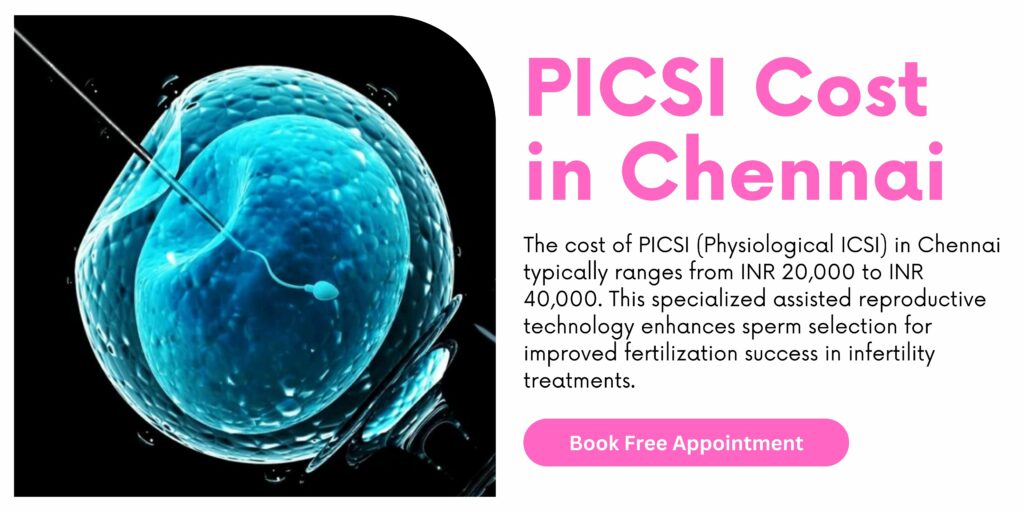
PICSI Cost in Chennai

What is PICSI? PICSI, or Physiological Intracytoplasmic Sperm Injection, stands as a cutting-edge technique within the realm of In Vitro Fertilization (IVF). In essence, PICSI involves a meticulous sperm selection process that sets it apart from traditional IVF methods. This innovative procedure utilizes a dish coated with hyaluronic acid, mimicking the natural female reproductive environment. Subsequently, mature and high-quality sperm with specific binding capabilities are chosen for injection into the egg. PICSI’s distinction lies in its ability to enhance the selection of sperm with optimal fertility potential, potentially improving the overall success rates of IVF. This nuanced approach aims to address issues related to male infertility and increase the chances of successful fertilization, making PICSI a promising advancement in assisted reproductive technologies. The PICSI Process Step-by-step breakdown of the PICSI procedure Semen Sample Collection The PICSI procedure commences with the collection of a semen sample from the male partner. This critical step is foundational, as the quality of the sperm obtained directly influences the success of the subsequent stages in the process. The sample is usually collected through masturbation into a sterile cup, ensuring the purity of the sperm for further analysis. Sperm Preparation Following collection, the sperm undergoes a preparatory phase to eliminate debris, non-motile sperm, and other contaminants. This step is crucial for concentrating the sample and enhancing the overall quality of sperm that will be introduced into the PICSI procedure. Hydrogel Preparation Simultaneously, a hydrogel dish is prepared. This hydrogel serves as a medium that mimics the conditions of the female reproductive tract, creating an environment conducive to the natural selection of mature and structurally sound sperm. Introducing the Semen Sample to Hydrogel The prepared semen sample is then gently introduced to the hydrogel dish. This marks the beginning of the intricate process where sperm interacts with the hyaluronan in the hydrogel, simulating the conditions sperm would encounter in the female reproductive system. Sperm-Hydrogel Interaction As the sperm is introduced to the hyaluronan-rich environment, its interaction with the hydrogel begins. The hyaluronan selectively binds to mature and structurally normal sperm, effectively isolating them from the rest of the sample. Sperm Selection Process This phase involves the targeted selection of sperm based on specific physiological characteristics. The hydrogel’s ability to differentiate between sperm with desirable attributes and those without is a key feature of the PICSI process. This meticulous selection process sets the stage for successful fertilization. Retrieval of Selected Sperm Once the sperm selection process is complete, the chosen sperm are carefully retrieved from the hydrogel. These selected sperm exhibit characteristics that make them optimal candidates for fertilizing an egg, contributing to the overall success of the subsequent IVF procedure. Preparation for Fertilization The final stage involves preparing the selected sperm for fertilization. This may include additional processing steps to ensure the highest chances of successful fertilization when introduced to the egg during the IVF process. This comprehensive series of steps in the PICSI procedure underscores the precision and sophistication involved in enhancing sperm selection for the ultimate goal of successful in vitro fertilization. The Role of PICSI in Enhancing Sperm Selection for IVF Success Improving Sperm Quality: The primary objective of PICSI is to elevate the overall quality of selected sperm for the in vitro fertilization (IVF) process. By subjecting sperm to a meticulous selection process within a hydrogel medium, PICSI enhances the chances of choosing mature and functionally competent sperm. This focus on quality significantly contributes to the success of IVF, as high-quality sperm is crucial for successful fertilization and the subsequent development of healthy embryos. Mitigating Male Factor Infertility: PICSI plays a pivotal role in addressing male factor infertility by selectively choosing the most competent sperm for fertilization. In cases when male reproductive issues occur, PICSI’s focused selection procedure can help overcome these difficulties. By ensuring the optimal selection of sperm, PICSI contributes to mitigating male factor infertility and increasing the likelihood of a successful IVF outcome. Minimizing DNA Fragmentation: An essential aspect of PICSI’s contribution to IVF success lies in its ability to minimize DNA fragmentation in selected sperm. DNA integrity is crucial for the development of healthy embryos, and PICSI’s selective process helps reduce the risk of fragmentation, thereby promoting the creation of genetically robust embryos during the IVF process. Enhancing Fertilization Rates: PICSI has been associated with increased fertilization rates in the context of IVF. The careful selection of sperm within the hydrogel medium directly contributes to a higher likelihood of successful fertilization. This enhancement in fertilization rates is a key factor in the overall success of IVF treatments utilizing PICSI. Improving Pregnancy Rates: Through its role in selecting high-quality sperm, PICSI has demonstrated a positive impact on pregnancy rates in IVF procedures. The improved quality of sperm selected through PICSI is correlated with a higher probability of successful pregnancies. This underscores the significant role that PICSI plays in enhancing the overall success rates of IVF treatments. Reducing the Risk of Abnormalities: PICSI’s meticulous sperm selection process is instrumental in reducing the risk of chromosomal abnormalities in embryos. The methodical approach employed by PICSI contributes to the identification and selection of sperm with lower risk of genetic anomalies, thereby promoting the development of healthy embryos and reducing the likelihood of abnormalities in the offspring. Tailoring Treatment for Individual Needs: One of the strengths of PICSI lies in its ability to tailor IVF treatment to individual needs. The personalized selection process offered by PICSI allows for a more targeted approach, addressing specific fertility challenges faced by individuals or couples. This customization ensures that the treatment aligns with the unique requirements of each patient, potentially improving the overall effectiveness of IVF. Positioning PICSI in the IVF Journey: PICSI holds a central position in the IVF journey, playing a crucial role in determining the success of the overall treatment. By optimizing sperm selection, PICSI contributes significantly to the creation of healthy embryos, fertilization success, and ultimately, positive pregnancy outcomes. Understanding the pivotal role of PICSI in the broader context of the IVF journey…